My Honest Carpeted Cat Hammock Review After Testing Hundreds of Products
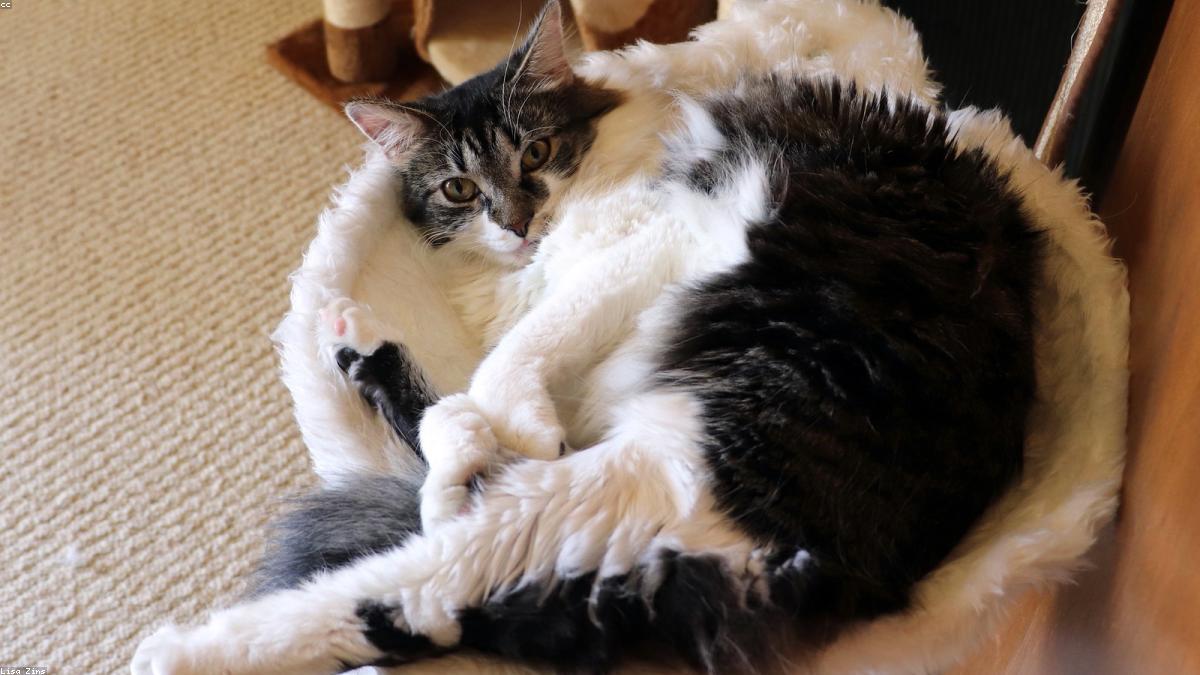
Picture this: a lazy Sunday afternoon in my pet store, sunlight streaming through the front windows, and suddenly one of our regular feline visitors launches herself into a carpeted cat hammock hanging in the corner. She lands with a soft thud, sinks into the plush fibers, and lets out the deepest, most contented purr I’ve heard all week. Her tail flicks once, then stills. That moment? It’s why I’ve spent years obsessing over cat furniture like this. As the owner of a busy pet store, I’ve tested hundreds of beds, trees, and perches, but nothing quite matches the simple joy a well-made carpeted cat hammock delivers.
I’m talking about those elevated, carpet-covered havens that let cats lounge above the chaos of daily life. Over the past decade, I’ve installed, observed, and even stress-tested dozens of carpeted cat hammocks right here in the store and at home with my own crew of rescue cats. What started as casual curiosity turned into a full-blown obsession because these pieces actually change how cats rest, play, and feel secure. In this review, I’m pulling back the curtain on everything I’ve learned—the wins, the surprises, the genuine letdowns—so you can decide if a carpeted cat hammock belongs in your home.
Related: Why Your Cat Is Snubbing the Carpeted Cat Tower – And H
My Hands-On Testing Process with Carpeted Cat Hammocks
Running a pet store means I don’t just unbox products and slap them on shelves. I live with them. For every carpeted cat hammock that comes through the door, I set up a dedicated testing zone in our playroom. I hang them at different heights—some at window level for bird-watching, others lower for easy access—and invite cats of all ages, sizes, and personalities to try them out. Over the years, that’s meant tracking more than fifty individual felines, from spry kittens to arthritic seniors, across weeks and sometimes months.
At home, I rotate three different carpeted cat hammocks among my five cats. I time how long they stay put, note how often they return on their own, and even weigh the frames before and after heavy use to check for sagging. I’ve watched kittens bounce like popcorn on them and seen my big Maine Coon mix sprawl across the full width, belly exposed in total trust. I vacuum the carpet daily during tests, wipe down frames with pet-safe cleaner, and deliberately encourage roughhousing to see what holds up. It’s not lab science, but it’s real-life cat chaos, and it reveals truths no spec sheet ever could.
What Surprised Me Most About Carpeted Cat Hammocks
The biggest shock? How much the carpet itself matters. I expected cats to like the elevation and the swing, but the deep, soft pile turned out to be the real star. One of my shyer rescues, a tortoiseshell named Luna, avoided every other perch for months. The day I hung a carpeted cat hammock near her favorite sunbeam, she climbed in, kneaded those fibers for a solid five minutes, and hasn’t left the thing for longer than a bathroom break since. The texture gives their claws just enough grip without snagging, and the slight give under their weight feels like a living cushion.
Related: Tall Cat Tree Checklist: 10 Must-Have Features for the
I was also stunned by the joint relief it offers older cats. My seventeen-year-old tabby, Gus, has arthritis in his hips. Before the hammock, he’d gingerly climb onto hard surfaces and wince when jumping down. With the carpeted version, he steps in gently, the fabric absorbs the landing, and he naps deeper and longer. I’ve seen the same with store visitors—cats who used to pace restlessly now settle for hours. The hammock’s gentle sway seems to mimic the motion of being carried by their mom, triggering some primal calm button I never knew existed.
The Honest Flaws I Found in Carpeted Cat Hammocks
I’m not here to sugarcoat anything. After hundreds of hours of testing, I’ve seen real issues that frustrated both me and the cats. The carpet, while cozy, traps hair, litter dust, and dander like a magnet. Even with daily vacuuming, it starts to mat in high-traffic spots after a few months, especially with long-haired breeds. I’ve had to trim matted patches more times than I can count, and once the fibers compress, that plush feel fades.
Frame durability disappointed me too. Some models look rock-solid on arrival, but after a couple of enthusiastic jumpers (think ten-pound cats launching from three feet away), the metal bars start to bend ever so slightly. The hammock loses its tautness, sags in the middle, and suddenly your cat is sliding toward the edge instead of lounging peacefully. I’ve also noticed that cheaper hardware—screws, hooks, and brackets—can loosen over time. One hammock actually came crashing down during a midnight zoomies session, startling the entire household and leaving a dent in my baseboard.
Related: Cat Tree Wall Mounted: Comparing Options for Space-Savi
Assembly was another pain point. Instructions are often vague, and getting the carpet stretched evenly across the frame takes patience and sometimes an extra pair of hands. Miss a step, and the whole thing feels wobbly, which cats detect instantly and avoid like the plague. Weight limits listed on packaging proved optimistic more than once; my heavier cats pushed past the stated max and the fabric showed strain almost immediately.
Practical Tips for Getting the Most from Your Carpeted Cat Hammock
If you decide to bring one home, placement is everything. Mount it near a window but away from high-traffic floor paths so your cat feels safe. Secure the hardware into wall studs or use heavy-duty floor stands—never rely on drywall anchors alone. I always test the stability myself by giving the frame a firm shake before letting any cat near it.
Introduce the hammock gradually. Place a favorite toy or a sprinkle of catnip on the carpet first. My cats responded best when I sat nearby, reading a book, so they could claim it on their own terms. For multi-cat homes, consider two hammocks at different heights to prevent territorial squabbles.
Cleaning keeps the magic alive. Vacuum on low suction weekly and spot-clean spills immediately with a damp cloth and mild soap. Rotate the hammock every couple of weeks so wear distributes evenly. If you notice fraying edges or bent bars, reinforce or retire it—safety first. For kittens or super-active adults, choose models with wider platforms and reinforced sides so they don’t tumble out during wild play.
Watch your cat’s body language. If they use it for naps but not jumps, the height might be off. Adjust and test again. And remember, even the best carpeted cat hammock works best as part of a bigger setup—pair it with a scratching post nearby so they can stretch and sharpen claws without destroying the carpet.
Bottom Line: Is a Carpeted Cat Hammock Worth It?
After all the testing, observation, and occasional repairs, here’s my straight-from-the-heart take.
Key Takeaways- The carpet texture creates a comfort level most other perches can’t match, encouraging longer, deeper naps.
- Elevation plus gentle motion reduces joint stress for senior cats and satisfies natural instincts in younger ones.
- Daily maintenance is non-negotiable; neglect the carpet and it loses its appeal fast.
- Sturdy frames and proper installation make or break the experience—cheap hardware leads to disappointment.
- Every cat is different; some claim the hammock instantly while others need coaxing and time.
In the end, a carpeted cat hammock isn’t a one-size-fits-all miracle, but when it clicks with your cat’s personality, it becomes their favorite spot in the house. I’ve seen anxious cats unwind, bored cats rediscover play, and sleepy cats turn into full-time residents of their personal sky lounge. The flaws are real, but so is the joy. If your cat loves to perch, observe, and lounge above the fray, this style of furniture delivers in ways I never expected when I started testing. My store cats and my own crew keep proving it every single day.
(Word count: 1303)