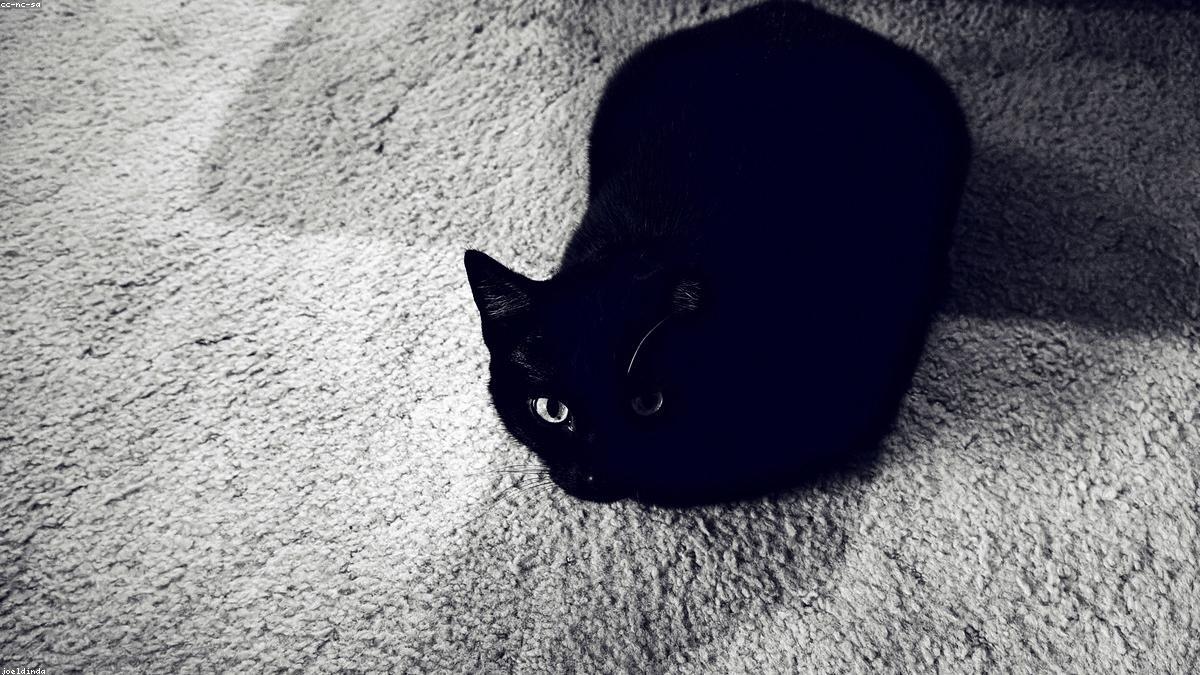
Cat Perch for Kittens: Everything a Shelter Worker Wishes You Knew
Picture a scrawny little tabby named Pickles who arrived at the shelter with nothing but a cardboard box and a serious case of the zoomies. Day one, he scaled the cage bars like a tiny ninja. Day two, he claimed the highest shelf as his throne and refused to come down for anything short of tuna. That single elevated spot turned a stressed-out stray into a confident explorer overnight. That’s the magic of a cat perch for kittens.
From my years cleaning litter boxes and dodging flying furballs at the shelter, I can tell you these little guys don’t just want vertical space—they need it the way toddlers need playgrounds. A well-chosen cat perch for kittens gives them safety, exercise, and a bird’s-eye view of their kingdom without turning your bookshelves into a war zone.
Related: The Essential Checklist for Choosing a Cat Tower for Se
In this FAQ, I’ll answer the questions I heard from adopters every single weekend: the practical stuff on buying, safety, cleaning, and all the myths that make me roll my eyes harder than a cat spotting a cucumber. No fluff, just real talk from someone who’s seen what works when kittens rule the roost.
Frequently Asked Questions About Cat Perch for Kittens
1. What exactly is a cat perch for kittens and why do they need one?
A cat perch for kittens is simply an elevated platform—wall-mounted, freestanding, or window-attached—that lets tiny cats climb, rest, and survey their world from above. Kittens aren’t built like adult cats yet; their legs are short, their balance is questionable, and their curiosity is dialed to eleven. Without a dedicated spot, they improvise by leaping onto counters, curtains, or your head at 3 a.m.
In the shelter we noticed kittens without vertical options paced more, ate less, and hid constantly. Give them a stable perch and suddenly they’re napping like pros and burning off energy with safe jumps. It’s not luxury—it’s basic feline psychology. They feel safer up high because predators (or vacuum cleaners) can’t sneak up as easily. Plus, it saves your furniture from becoming a scratching post launchpad. I’ve rehomed dozens of kittens who went from “problem child” to “perfect angel” the moment they had their own sky box.
Related: Cat Tree Wall Mounted: Comparing Options for Space-Savi
2. How do I know if my kitten is ready for a cat perch for kittens?
Most kittens are ready the moment they can jump onto a couch without face-planting—usually around 8-10 weeks old. Watch their play: if they’re scaling your legs or attempting Everest on the dining table, they’re telling you loud and clear they need an official outpost.
Start simple. If your kitten is still wobbly or recovering from illness, wait until they’re steady on their feet. My rule from shelter intake days? Test with a low, sturdy box first. If they claim it in under five minutes, upgrade to a real perch. Older kittens (4-6 months) can handle taller options because their muscles are stronger. The key is matching the perch height to their current jumping ability so they succeed instead of tumbling and getting discouraged.
3. What features should I look for when shopping for the best cat perch for kittens?
Focus on three things: stability, size, and grip. The base or wall brackets must not wobble—even a tiny shift can send a kitten flying. Platforms should be wide enough for a stretched-out nap (at least 12-15 inches for young kittens) but not so huge they dominate your living room. Carpet, sisal, or soft fabric gives tiny claws traction without shredding.
Related: Do Cats Need Cat Climbing? A Buyer's Guide to Choosing
Skip anything with sharp edges or loose parts they could chew off. I’ve seen kittens ignore fancy designs and head straight for the plain, sturdy model every time. Bonus if it has a gentle ramp or steps for clumsy climbers. Height-wise, start low (2-3 feet off the ground) so they build confidence before you add higher levels. And remember: kittens grow fast. Something adjustable or modular saves you from buying twice.
4. Are wall-mounted options safe for kittens or should I stick to floor models?
Wall-mounted cat perches for kittens are fantastic space-savers, but only if installed like your life depends on it—because your kitten’s definitely will. Use proper anchors rated for the weight (kittens plus future adult cat plus occasional zoomie leaps). Test it by yanking hard before letting the kitten near it.
Floor models are more forgiving for beginners because they can’t tip if the base is wide and heavy. I always recommended them to first-time kitten parents at adoption events. The safest setup? A combo: a low floor perch for learning, then wall-mounted ones once they’ve mastered the art of landing. Never place anything directly above hard tile or glass tables. One shelter kitten taught me that lesson the hard way after a spectacular missed jump.
5. What materials are best (and worst) for a kitten cat perch?
Carpet remnants or low-pile fabric win for comfort and claw grip—kittens love kneading something soft. Sisal rope on edges adds texture without being too rough on baby paws. Solid wood or heavy particle board beats cheap particle board that flexes under weight.
Worst offenders? Slick plastic that turns into a slip-n-slide, thin fabrics that snag and unravel, or anything painted with non-pet-safe finishes. I’ve pulled more threads out of kitten throats than I care to remember. Avoid anything with small holes or gaps where a paw could get stuck. If it smells strongly of chemicals out of the box, let it air out for days. Your nose knows better than any label.
6. How do I clean and maintain a cat perch for kittens without losing my mind?
Kittens are tiny fuzz factories. Vacuum or brush the surface weekly to remove loose fur before it mats. Spot-clean accidents with a pet-safe enzyme cleaner—regular soap leaves smells that scream “litter box alternative” to your kitten.
For deeper cleans, remove the perch (if possible) and wash removable covers in cold water. Let everything dry completely; damp spots invite mold and unhappy cats. Rotate toys on the perch monthly to keep it interesting. Check screws and brackets every two weeks—kittens treat everything like a wrestling opponent. In the shelter we power-washed perches between litters and they lasted years. A five-minute weekly routine beats replacing the whole thing after six months of neglect.
7. My kitten completely ignores the new cat perch—what am I doing wrong?
Usually it’s location, location, location. Put the perch where the action is—near a window, in the middle of the living room, or along their favorite zoomie highway. A corner nobody visits might as well be invisible.
Make it irresistible: sprinkle catnip, place favorite toys or treats on it, or dangle a feather wand nearby. I once watched a shy kitten ignore a perfect perch until I put her favorite crinkle ball on it. Instant convert. Give them time—some kittens need a week of observation before claiming ownership. If it’s still a ghost town after two weeks, try lowering it or adding a ramp. Forcing the issue never works; kittens are stubborn little negotiators.
8. Can a cat perch for kittens actually stop bad behaviors like scratching furniture or counter surfing?
Absolutely, but it’s not magic—it’s redirection. Kittens scratch and climb because they need to stretch, mark territory, and burn energy. Give them a legal high spot with built-in scratching edges and they’ll choose it over your couch 80% of the time.
In shelter adoptions I saw scratching posts next to perches cut furniture damage dramatically. The perch becomes their command center; everything else is just boring floor level. Pair it with regular play sessions and you’ll skip the “my kitten is possessed” phase entirely. It’s cheaper and more effective than constant yelling or spray bottles.
9. What’s the ideal height and size for a cat perch designed specifically for kittens?
For kittens under four months, keep platforms between 18-36 inches high. That’s jumpable without being terrifying. Size should let them sprawl fully—think 12x18 inches minimum so they don’t hang off the edge like a fuzzy sausage.
As they grow, you can add taller sections or stacking perches. My favorite setups in foster homes were multi-level towers that grew with the cat. Measure your kitten’s jump height by watching them leap onto the couch, then set the perch slightly higher to challenge them safely. Too low and it’s boring; too high and it’s unused.
10. What safety hazards should I watch out for with cat perches for kittens?
Falling is the big one. Unstable bases, narrow ledges, or perches too close to stair railings spell disaster. Check daily for loose screws or frayed carpet that could become a chew toy. Never use anything with strings, ribbons, or small parts that detach.
Keep the area below clear of sharp objects. I’ve seen kittens launch themselves like missiles—better a soft carpet landing than grandma’s ceramic collection. Supervise the first few days of use. If your kitten has health issues (arthritis, balance problems), consult your vet before adding height. Safety isn’t paranoia; it’s what separates “fun story” from “emergency vet bill.”
11. How does a cat perch for kittens change as your kitten becomes an adult cat?
The same perch that was a skyscraper at eight weeks becomes a cozy coffee table later. Many designs let you add extensions or move brackets higher. What starts as a learning tool turns into a lifelong observation deck.
Adult cats still use their first perch—they just add new ones to their empire. The early investment pays off in confidence that lasts years. I’ve fostered kittens who kept the same low perch into adulthood because it was “theirs.” It becomes part of their routine, like their favorite sunbeam.
12. What are the biggest misconceptions about cat perches for kittens that drive shelter workers crazy?
First myth: “Kittens are too small—they’ll outgrow it in a month.” Wrong. Start early and they bond with it forever. Second: “Any shelf will do.” Nope. Random shelves lack the right texture and stability. Third: “Indoor cats don’t need perches—they have the whole house.” Tell that to the kitten destroying your blinds at midnight.
People also think perches are just for “lazy” cats. Wrong again—they’re workout equipment, lookout towers, and mental health spots rolled into one. The biggest eye-roller? “My kitten doesn’t like heights.” Every cat I’ve met who “didn’t like heights” changed their mind once the perch was in the right spot.
Bottom Line
A cat perch for kittens isn’t optional furniture—it’s the difference between a stressed little tornado and a happy, confident cat who respects your curtains. From my shelter days watching hundreds of kittens discover their inner mountain goats, the ones with proper perches adjusted faster, played harder, and settled into homes smoother.
Key Takeaways
- Match the perch to your kitten’s age and jumping skill—start low and stable.
- Prioritize stability and easy-clean materials over fancy designs.
- Location and introduction matter more than the perch itself.
- Regular maintenance keeps it inviting and prevents health issues.
- Safety checks are non-negotiable—test everything like a paranoid parent.
- Early perches prevent problem behaviors and build lifelong confidence.
- Kittens grow fast, so choose something that can evolve with them.
- Ignore the myths—vertical space is basic cat welfare, not a luxury.
Give your kitten that sky-high real estate and watch them turn into the calm, playful companion every adopter dreams of. Trust me, Pickles and every other shelter success story will back me up. Your furniture (and your sanity) will thank you.