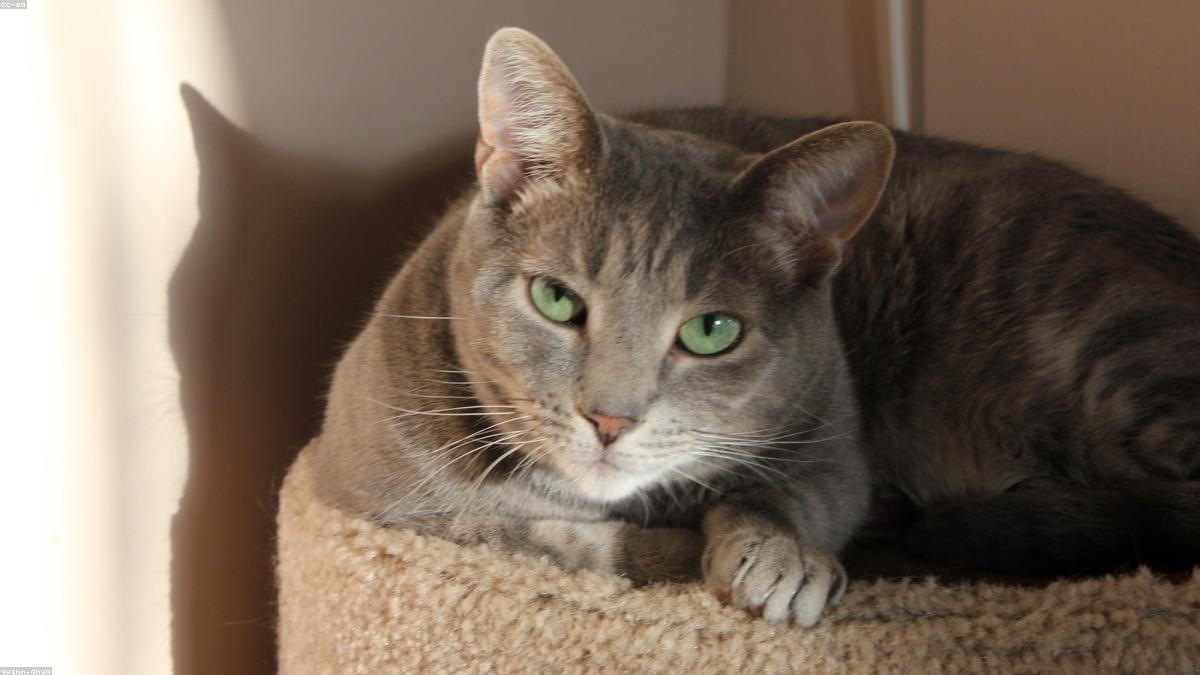
Cat Shelf Window 101: A Former Shelter Worker’s No-Nonsense Guide
I spent eight years at a busy animal shelter where cats arrived stressed, confused, and sometimes downright destructive. One thing I noticed every single time? Give a cat a safe, elevated spot right by the window and suddenly that same cat stops shredding the couch and starts purring like a broken motor. That’s why I’m obsessed with the cat shelf window—a simple piece of cat furniture that turns any boring window into prime feline real estate.
If you’re new to this whole “cat shelf window” idea, don’t worry. I’m going to walk you through everything like you’ve never even seen a cat toy before. We’ll cover what it actually is, why your cat will thank you (in her own judgmental way), what to look for, the rookie mistakes that waste your money, and how to set one up without calling a handyman. By the end, you’ll know exactly how to give your cat the window throne she secretly craves.
Related: Cat Scratching Post for Small Apartments: My Honest She
What Exactly Is a Cat Shelf Window?
A cat shelf window is exactly what it sounds like: a sturdy shelf or perch that mounts directly onto or beside a window so your cat can lounge, bird-watch, and nap at the perfect height. Some people call them window cat shelves, window perches for cats, or even cat window seats. The best ones stick out far enough for your cat to stretch, turn around, and still feel secure.
Think of it as a personal observation deck. Instead of your cat balancing precariously on the narrow windowsill (and knocking over your plants), she gets a wide, stable platform designed for her exact needs. From my shelter days, I can tell you these things work better than any fancy puzzle feeder for keeping indoor cats happy and sane.
Why Your Cat Actually Needs One
Cats are natural hunters and climbers. In the wild they spend hours perched high up scanning for dinner. Your living-room tiger still has those instincts, even if her biggest adventure is judging the mailman. A cat shelf window gives her:
Related: Floor to Ceiling Cat Tree Guide: Everything Beginners N
- Mental stimulation – Birds, squirrels, and random neighbors become endless entertainment.
- Physical exercise – Jumping up and down keeps muscles toned without wrecking your furniture.
- Stress relief – Elevated spots make cats feel safe and in control.
- Territory marking – It’s her spot now. Good luck getting her off it.
I’ve watched shelter cats go from hiding under blankets to strutting like royalty once they had their own window real estate. Bored cats scratch, yowl, and zoom at 3 a.m. A well-placed cat shelf window cuts that drama in half.
Different Types of Cat Window Shelves
Not all cat shelf windows are created equal. Here’s the quick breakdown so you don’t get overwhelmed:
Wall-mounted shelves attach directly to the wall beside the window. These are rock-solid if installed right and can hold bigger cats without drama. Suction-cup window perches stick right to the glass. Great for renters, but only buy the heavy-duty ones—your cat will test them. Hanging or hammock-style versions use straps that loop over the window frame. They’re softer and swing a little, which some cats love like a built-in rocking chair. Multi-level cat shelves stack two or three platforms so kittens or multi-cat households can share the view without starting World War III.Pick based on your cat’s personality. My old shelter buddy Mittens (a 16-pound Maine Coon) needed the wall-mounted kind because suction cups laughed at his weight.
Related: Sturdy Cat Hammock: Your Essential Summer Guide to Feli
What to Look for When Buying a Cat Shelf Window
Don’t just grab the first cute one you see. Here’s the checklist I used every time we set up adoption rooms.
Materials and Durability
Look for solid wood, heavy-duty plywood, or reinforced plastic that won’t flex when your cat launches onto it. Carpeted surfaces give claws grip and are easy to vacuum. Skip anything with thin particle board—it sags faster than my patience on adoption days.
Size and Comfort
Your cat should be able to lie down fully stretched and still have room to turn. Measure your cat from nose to tail tip, then add at least six inches on every side. Depth matters too—12 to 16 inches is the sweet spot for most adult cats.
Installation and Safety
Check the weight limit (most good ones handle 30–50 pounds). Strong mounting hardware is non-negotiable. If it comes with cheap plastic anchors, upgrade them. Your cat’s safety depends on it not crashing down mid-nap.
Also consider window type. Double-hung windows work great. Sliding glass doors need different setups. Measure twice, swear once—that’s my motto.
Common Mistakes New Cat Parents Make
I’ve seen these errors repeat like bad shelter intake paperwork:
- Buying too small. Tiny decorative shelves look adorable on Pinterest but leave your cat with one paw hanging off like a sad gargoyle.
- Ignoring placement. Putting it too low means no view. Too high and your cat ignores it. Aim for chest height when your cat stands on hind legs.
- Skipping the test run. Some cats hate carpet texture or prefer open edges. Observe your cat’s favorite current perches before buying.
- Cheap suction cups on old windows. They fail spectacularly. I’ve cleaned up more broken glass than I care to remember.
Learn from my mistakes so you don’t repeat them.
Budget Recommendations That Actually Work
You don’t need to spend a fortune. Entry-level cat shelf windows (basic wall-mounted or suction styles) give you everything your cat needs without fancy extras. Mid-range options add extra width, better carpeting, or easy-clean surfaces. Higher-end versions include built-in scratching areas or multiple levels for multi-cat homes.
Focus on sturdy construction over bells and whistles. A well-made basic model will outlast three trendy ones. If you’re handy, you can even build a simple wooden shelf with brackets and carpet remnants—just make sure it’s sanded smooth and securely anchored.
How to Install Your Cat Shelf Window Step by Step
- Measure everything. Window width, desired height, cat’s stretch length.
- Find the studs if wall-mounting (use a stud finder—cheap and worth it).
- Pre-drill holes for screws so you don’t split the wood.
- Level it—cats notice when things tilt.
- Add extra support like L-brackets for heavy cats.
- Test with gentle pressure before letting your cat jump on.
Takes twenty minutes if you’re organized. Takes an hour if you’re like me and keep dropping the level.
Getting Your Cat to Actually Use It
Some cats hop on immediately. Others act like you just insulted their ancestors. Try these tricks:
- Sprinkle a little catnip or place a favorite toy on the shelf the first day.
- Use treats to lure her up gently.
- Keep it clean—cats hate dirty perches.
- Add a blanket that smells like home for the first week.
Be patient. It took one particularly stubborn shelter cat three full days before she claimed her spot. Now she guards it like a tiny, furry bouncer.
Key Takeaways
- A cat shelf window gives your indoor cat the view and height she craves without destroying your house.
- Focus on sturdy materials, proper size, and secure installation over flashy designs.
- Avoid the common mistakes of buying too small or skipping measurements.
- Installation is simple if you measure twice and use good hardware.
- Most cats adapt quickly once they realize this is their new kingdom.
Bottom Line
After years of watching shelter cats transform the moment they got their own window real estate, I can tell you this: a good cat shelf window isn’t just furniture—it’s feline therapy. Your cat gets enrichment, you get fewer destroyed curtains, and everyone wins.
Take your time choosing the right one. Measure, observe your cat’s habits, and pick something that will last. Your future self (and your couch) will thank you. And next time you catch your cat staring longingly out the window, you’ll know exactly what to do.
Now go give that furry dictator the throne she deserves. She’s been waiting long enough.
(Word count: 1212)