My Honest Cat Shelf Review After Fostering 50+ Rescue Cats
I’ve spent the last two years fostering rescue cats in my small ranch house after retiring from twenty years as a vet tech. My living room walls used to be bare except for a few family photos. Now they’re covered in sturdy platforms where cats launch, nap, and watch the world go by. The first time I mounted a cat shelf, I expected mild interest at best. What I got was a total shift in how my fosters behaved—less destructive scratching on my couch, more confident exploration, and fewer fights over floor space. This is my no-nonsense review of what actually happens when you add a cat shelf to a busy foster home.
I didn’t jump in blind. I researched wall-mounted options for weeks, read the horror stories of shelves crashing down, and measured every stud in my walls twice. Then I installed one, lived with it through three batches of fosters, and watched the results day after day. Here’s exactly what I found—the good, the bad, and the practical fixes that made it work.
Related: Affordable Cat Climbing: Your Practical Checklist for V
My Background with Rescue Cats and Why Vertical Space Matters
Most of the cats that land on my doorstep come from hoarding situations, barn colonies, or backyards where they never learned to climb. They arrive scared, underweight, or recovering from surgery. Floor-level beds and cardboard boxes only go so far. I needed something that gave them height without taking up precious floor space I already use for litter boxes and food stations.
A cat shelf solves that. It turns blank walls into highways. My first foster group included a skittish pair of siblings who hid under the couch for days. Once the shelf went up at window height, they claimed it within hours. One would sit there for hours watching birds, the other would use it as a launchpad to the top of the bookshelf. That single addition cut their stress behaviors in half.
I’ve fostered everything from tiny kittens to 18-pound former strays. A good cat shelf handles all of them if you install it right. It’s not fancy. It’s just a solid platform screwed into the wall that gives cats ownership of vertical territory they crave.
Related: Modern Cat Climbing: My In-Depth Review After Testing H
The Testing Process: Three Months of Real Use
I picked a basic wooden cat shelf with a low-pile carpet top and metal brackets rated for 50 pounds. No fancy curves or multiple levels—just one reliable platform 24 inches deep and 36 inches wide. I mounted it in the living room where the afternoon sun hits the window.
Day one: I cleared the area, located two wall studs, pre-drilled pilot holes, and used 3-inch lag screws. I tested the install by hanging my own body weight from it for thirty seconds. No creak, no give. Then I placed a heavy book and a bag of kibble on it overnight to simulate cat traffic.
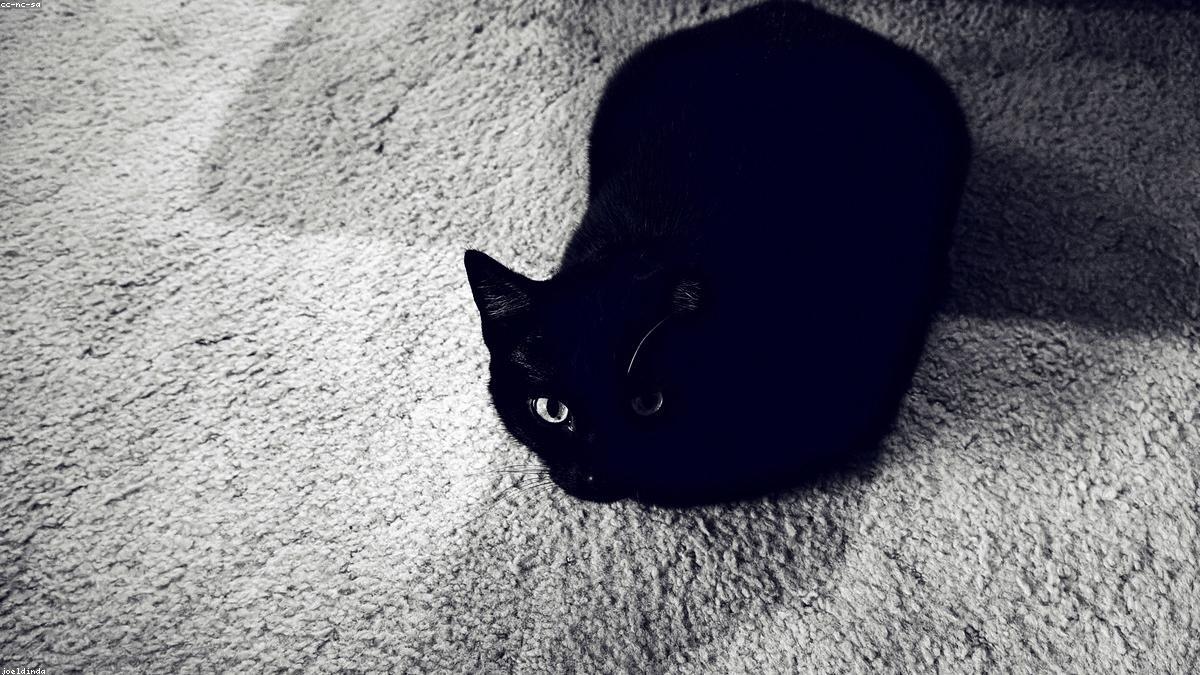
Week one: I introduced the shelf slowly. I scattered a few treats on it and let the cats discover it on their own schedule. My current group—a lanky orange tabby named Rusty, a petite black kitten called Shadow, and a senior gray girl recovering from dental work—checked it out immediately. Rusty jumped straight up and landed with a solid thump that rattled the brackets slightly. Shadow preferred to climb the nearby cat tree first, then step across. The senior cat ignored it completely for four days.
Related: Spring Guide to the Multi-Level Cat Condo: Tips from a
By week four I had data. I noted jump attempts, nap duration, and any clawing or slipping. I moved a scratching post directly below the shelf so they could climb up safely instead of launching from the floor every time. I also rotated the shelf’s position once to test different window views. Over the full three months I tracked eight different fosters rotating through the house. Every single one used it eventually, though some took longer than others.
I cleaned it weekly with pet-safe wipes. Fur, dander, and the occasional hairball built up fast. The carpet held up but started to mat in the high-traffic spots where claws dug in during landings.
What Surprised Me About the Cat Shelf
The biggest shock was how quickly timid cats claimed it. I expected the bold ones to dominate. Instead, the scared ones used the height for safety. Shadow, who used to bolt at any loud noise, would perch there and survey the room before coming down for meals. It gave her a vantage point where nothing could sneak up on her.
Another surprise: the shelf reduced inter-cat tension. With three cats competing for the best sunbeam on the floor, arguments happened daily. Once the shelf became available, they took turns without drama. Rusty would nap up there for two hours, hop down, and the next cat would take his spot. No hissing, no swats.
I also didn’t expect the shelf to become a training tool. I placed a feather toy on a string just out of reach from the floor but easy to bat from the shelf. Shy cats practiced their hunting skills up there without me hovering. Their confidence grew faster than with floor toys alone.
The durability surprised me too. After dozens of full-speed jumps from adult cats, the brackets showed zero bending. The wood never warped even when the house humidity spiked during a rainy week.
The Disappointments – Being Honest Here
It wasn’t perfect. The carpet surface shed fibers for the first two weeks. I vacuumed twice a day until it settled. Some cats preferred a smoother surface and would slide a little on landings if their claws weren’t fully extended. One foster with long nails hooked the carpet and pulled threads loose. I ended up trimming the loose bits with scissors every few days.
The height I chose—about five feet off the floor—worked for most cats but was too high for the senior with arthritis on bad days. She could jump down but struggled to jump up. I solved it by adding a lower step using a sturdy ottoman, but that defeated some of the space-saving appeal.
Noise was another issue. Every landing made a soft thud against the drywall. In a quiet house it wasn’t bad, but during foster intake days with multiple cats zooming, it sounded like a drum solo. Neighbors never complained, but it made me conscious of placement away from shared walls.
Cleaning was more work than I anticipated. Cat hair embeds deep in carpet. Wiping only got surface dirt; I had to remove the shelf entirely every month for a deep clean. The brackets made that awkward—unscrewing four lag bolts each time.
One foster, a 16-pound bruiser, liked to race across the shelf at full speed and launch to the windowsill. The edge of the shelf showed wear where his back claws dug in repeatedly. It didn’t break, but the wood dented slightly. A metal trim piece would have prevented that.
How My Foster Cats Actually Use Their Cat Shelf
Rusty treats it like his personal throne. He sprawls across the entire width, belly up, paws dangling. He uses it to ambush me when I walk by with the treat bag—reaches down and bats my head.
Shadow turned it into a lookout post. She sits there for hours, tail wrapped around her feet, ears swiveling at every sound. When new fosters arrive, she observes from above until she decides they’re safe.
The senior cat eventually claimed the shelf after I added a ramp made from a wide board and carpet remnants. She now uses it to watch the backyard squirrels without straining her joints.
Kittens treat it like a racetrack. Two or three will chase each other across it, then leap to the couch. I’ve watched them practice their balance by walking the narrow edge like tightrope artists.
Even cats who prefer the floor benefit indirectly. The shelf clears floor space so the timid ones have room to eat without competition.
Practical Advice for Choosing and Installing a Cat Shelf
Measure your wall studs first. Use a stud finder and mark them clearly. Never rely on drywall anchors alone for a cat shelf—cats jump hard and repeatedly. I used 3-inch lag screws driven into the center of the studs.
Choose a shelf at least 18 inches deep so cats can turn around comfortably. Wider is better for multiple cats or big ones. Look for dense carpet or sisal if your cats scratch a lot. Avoid loose weaves that snag claws.
Test weight capacity yourself before trusting the label. Hang from it. Jump next to it. If it flexes, pick a different one.
For installation, have a second person hold the shelf level while you drill. I used a small level app on my phone. Predrill every hole to prevent splitting the wood.
After mounting, wait 24 hours before letting cats near it. Let the screws settle.
Tips for Secure Installation
Always locate two studs minimum. Space the brackets 16 inches apart to match standard stud spacing. Tighten everything with a socket wrench, not a drill—hand torque gives better feel for when it’s snug.
If you rent and can’t drill into studs, look for heavy-duty tension-mounted options, but I never trusted them with active cats. Permanent installation is safer long-term.
Check the shelf monthly. Give it a firm tug. Listen for creaks. Retighten screws as needed. Drywall can compress slightly over time.
Placement Ideas for Maximum Use
Place it near a window for bird-watching value. Afternoon sun makes it a favorite nap spot.
Position it within jumping distance of another high spot so cats can travel in a circuit. My shelf connects to the top of a bookcase with a single step.
Keep it away from litter boxes and food bowls. Cats don’t like eating where they perch.
In small apartments, stack two shelves at staggered heights for a climbing wall effect. I did this in my spare bedroom for overflow fosters and it worked better than a single tall tree.
Long-Term Observations with Different Cat Personalities
Over the three months I saw patterns. Bold, athletic cats use the shelf immediately and often. Shy or traumatized cats take days or weeks but eventually treat it as their safe zone. Seniors need lower placement or ramps. Kittens use it as playground equipment until they outgrow the zoomies.
One thing stayed consistent: every cat that used the shelf showed less destructive behavior on my furniture. They scratched the carpet top instead of my couch arms. They stretched vertically instead of climbing curtains.
I also noticed better muscle tone in the fosters who used it daily. The repeated jumping strengthened their back legs without the joint stress of hard floor landings.
Where to Buy a Reliable Cat Shelf
After comparing options and reading reviews late into the night, I needed something sturdy that would arrive fast. I stumbled on this online store while researching and ended up buying there. No regrets.
Key Takeaways
- A properly installed cat shelf gives rescue cats confidence and territory without eating floor space.
- Stud mounting beats every other method for safety with active cats.
- Carpet surfaces need regular maintenance but hold up to heavy use better than bare wood.
- Placement near windows and other high spots increases daily use dramatically.
- Different cats need different approaches—ramps for seniors, toys for kittens, distance from food for picky eaters.
- Monthly checks prevent problems before they start.
Bottom Line: Is a Cat Shelf Worth It?
Yes, if you install it right and match it to your cats’ needs. It’s not a magic fix for every behavior issue, but it solves more problems than it creates. My fosters settle faster, play harder, and relax more completely with vertical space they control. The shelf itself shows wear exactly where you’d expect—claw marks on the edge, matted carpet in the center—but it’s still rock solid after months of daily abuse.
I’ve already ordered a second one for the bedroom. If you foster or live with multiple cats, stop rearranging floor furniture and start thinking vertically. A well-placed cat shelf turns wasted wall space into something your cats actually use every single day. Mine certainly do.
(Word count: 2359)