Cat Tower Window FAQ: Everything You Need to Know About These Window Perches Cats Adore
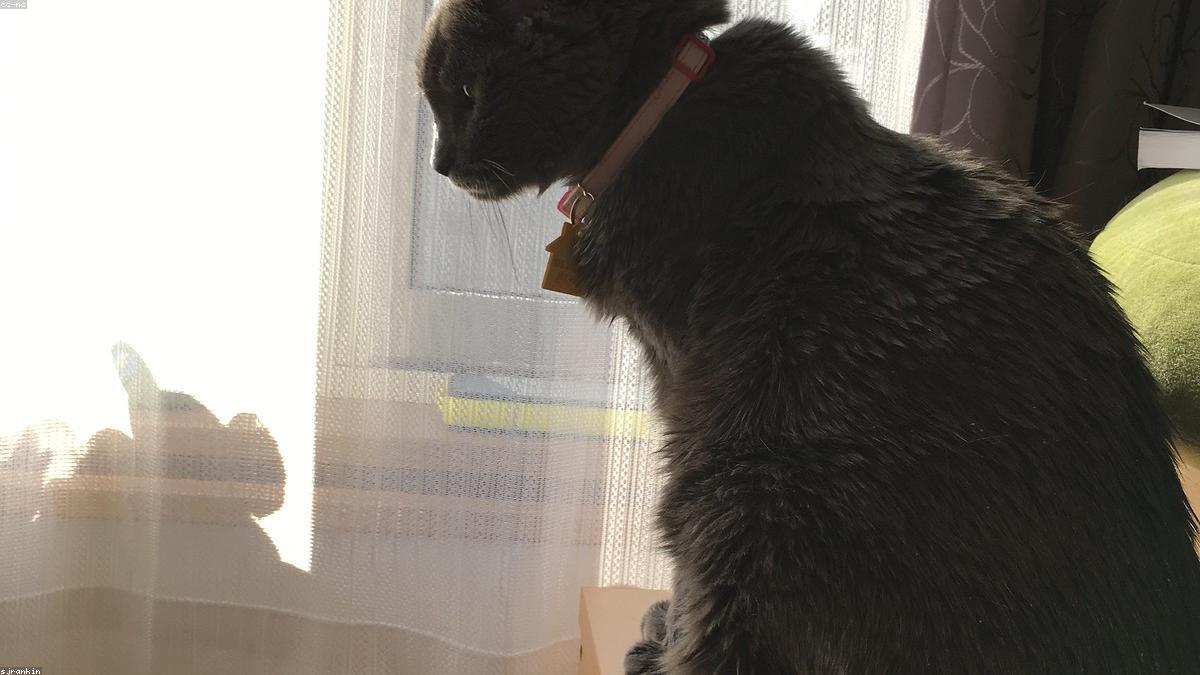
Picture this: Your cat is perched on the windowsill, tail twitching as birds flit by outside, but one wrong move and she’s sliding off. I’ve watched that exact scene play out with my own cats more times than I can count. That’s when I started exploring cat tower window options, and let me tell you, it changed everything. These clever pieces of cat furniture turn an ordinary window into a multi-level playground that gives your feline the height, views, and scratching space she craves without taking up precious floor real estate.
As a pet nutrition consultant, I spend my days helping owners build complete wellness plans for their cats. But I’ve learned the hard way that even the best diet won’t help much if your cat is bored or stressed from lack of vertical space. A well-chosen cat tower window bridges that gap beautifully. It encourages natural jumping, climbing, and observing behaviors that keep both body and mind sharp. In this detailed FAQ, I’ll walk you through every angle—buying, setup, safety, maintenance, and those pesky myths that hold people back—so you can decide if it’s the right fit for your crew.
Related: Cat Tower Wall Mounted Buyer's Guide: Vertical Adventur
Frequently Asked Questions About Cat Tower Windows
1. What exactly is a cat tower window?
A cat tower window is essentially a window-mounted or window-adjacent cat furniture system that combines perches, platforms, and sometimes small towers or hammocks right at eye level with the outdoors. Unlike traditional floor cat trees that dominate living rooms, these designs use sturdy suction cups, brackets, or tension rods to anchor securely to the glass or frame. They often include multiple levels so your cat can lounge on a wide bed, scratch on sisal posts, or stretch out on a narrow ledge while soaking in the sunlight and street activity.
From my experience helping clients, the best ones feel like a natural extension of the window rather than an afterthought. They range from simple single-perch units to more elaborate setups with connected scratching ramps and dangling toys. The key is that they give indoor cats that coveted “high ground” vantage point without blocking your view or cluttering the floor.
2. Why do cats seem to love cat tower window setups so much?
Cats are hardwired to seek high perches for safety and entertainment. A cat tower window delivers both in one spot. My own tabby, Luna, used to pace and meow at the glass for hours. Once we added a window perch tower, she claimed the top level immediately and now spends her afternoons bird-watching like it’s her full-time job. The elevation reduces stress, the fresh air view provides mental stimulation, and the built-in scratching surfaces satisfy her need to mark territory.
Related: Tall Cat Hammock: Beginner’s Guide to Choosing and Usin
Owners often notice fewer destructive behaviors once their cat has reliable access to a favorite window. It’s not magic—it’s just meeting their instincts head-on. Plus, the warmth from the sun streaming through the glass makes it a cozy nap spot, especially in colder months.
3. How do I choose the right cat tower window for my space and my cat?
Start by measuring your window frame and glass area honestly. You need at least 18–24 inches of clear glass for most models, and you’ll want to factor in your cat’s weight and jumping style. Heavy Maine Coons or super-active jumpers do better with wider, reinforced platforms and multiple suction points. Consider your home’s window type too—double-hung, casement, or sliding all work with the right hardware.
Think about your cat’s personality. Shy types appreciate enclosed hammocks for security, while bold explorers love open ramps and dangling feather toys. I always recommend starting with something modular so you can add levels later if your cat takes to it. Material matters: look for non-toxic, easy-to-clean fabrics and solid wood or heavy-duty plastic frames that won’t wobble.
Related: How to Clean Cat Climbing Furniture: A Vet's Buyer's Gu
4. What features should I look for when buying a cat tower window?
Prioritize strong suction cups or brackets rated for at least 50 pounds—more if you have multiple cats sharing the space. Removable, washable covers are a lifesaver because cats will track litter and hair everywhere. Built-in scratching posts or sisal-wrapped edges extend the life of the piece and protect your window trim. Some designs include side-mounted ramps that connect to a nearby shelf or cat tree for extra flow.
Natural materials like real wood and organic sisal hold up better than cheap synthetics and smell less “plastic-y,” which picky cats notice. Bonus points for designs that let you angle the perch slightly for better sunbathing. Avoid anything with tiny screws or flimsy plastic clips; those tend to fail after a few months of enthusiastic use.
5. How do I safely install a cat tower window without damaging my windows or risking a fall?
Installation is usually straightforward but never skip the prep work. Clean the glass thoroughly with rubbing alcohol first—no cleaners with residue. Test the suction cups on a flat surface before mounting. Most units come with extra pads or locking levers; use every single one. For extra peace of mind on older windows, I add a secondary safety strap that hooks to the frame even though the suction holds fine.
Always supervise the first few days. Place a soft landing mat or thick rug directly below in case of a rare slip. If your windows get direct afternoon sun, check the hardware weekly for the first month because heat can affect suction. Never exceed the weight rating, and keep the area free of obstacles so your cat can jump down safely.
6. What maintenance does a cat tower window actually require to stay in good shape?
Weekly spot cleaning keeps things fresh. I vacuum the platforms and wipe down the frame with a damp cloth. Every month I remove the fabric covers (if they detach) and toss them in the washing machine on gentle. Check suction cups for wear and replace any that look stretched or cracked—most kits include spares.
Every six months I take the whole thing down, give the window a deep clean, and inspect all screws and brackets. Cats love to knead and scratch, so you’ll eventually need to replace sisal wraps or add new cardboard scratch inserts. The good news? Proper care means these pieces last years instead of months.
7. Are cat tower windows safe for kittens, senior cats, and multi-cat homes?
Absolutely, with a few adjustments. Kittens benefit from lower, wider platforms and soft ramps instead of high jumps while they’re still building confidence and coordination. Seniors appreciate heated pads or memory-foam cushions on the main perch to ease aching joints. In multi-cat households, choose a model with at least two distinct levels so no one feels crowded or territorial.
I’ve seen tense households transform once everyone had their own window real estate. Just make sure the total weight capacity covers all users at once, and introduce it gradually so no one claims it as “theirs” exclusively and starts guarding behavior.
8. How does a cat tower window compare to a regular floor cat tree?
A cat tower window saves floor space and gives a better view, which is huge for apartment dwellers or anyone with limited room. Traditional cat trees are great for open play areas and multiple cats romping together, but they can feel like furniture you have to work around. The window version feels more integrated into daily life because your cat is right there with you while you’re cooking or working nearby.
Many owners end up with both: a sturdy floor tree for zoomies and a cat tower window for quiet observation time. They complement each other perfectly rather than compete.
9. What are the most common misconceptions about cat tower windows?
People think they only work on perfectly smooth, modern windows—total myth. Most quality units adapt to slightly textured or older glass with the right pads. Another big one is that they’ll “ruin” your windows or leave permanent marks. Proper suction and regular checks prevent that completely.
Some folks assume their cat won’t use it because it’s “new.” In reality, most cats claim it within days once they realize it’s stable and offers prime bird TV. The biggest misconception? That they’re only for tiny cats. I’ve installed them successfully for 18-pound boys who treat the top perch like their personal throne.
10. Can adding a cat tower window actually help with behavior issues like scratching or excessive meowing?
Yes, more often than not. When cats lack an approved outlet for climbing and scratching, they improvise on your couch or curtains. A cat tower window with good sisal surfaces redirects that energy. The mental stimulation from watching the outside world also cuts down on bored yowling at 3 a.m.
I’ve had clients report dramatic drops in nighttime vocalizing after installing one. Combine it with consistent playtime and a solid nutrition plan and you’re giving your cat a complete enrichment package.
11. How do I introduce my cat to a new cat tower window so she actually uses it?
Don’t just mount it and walk away. Sprinkle a little catnip or place her favorite toy on the lowest level first. Use treats to lure her up step by step. Some cats need a week of gentle encouragement; others hop on immediately. Keep your regular cat tree or favorite bed nearby so she doesn’t feel displaced.
I like to sit nearby reading or working so she associates the new perch with calm, positive time together. Within two weeks most cats have claimed it as their own.
12. What if my windows are oddly sized or I rent my place—can I still use a cat tower window?
Renter-friendly designs with tension rods or clamp systems work beautifully without drilling or permanent marks. For unusual window shapes, many brands offer extension arms or customizable brackets. Measure twice, check reviews from people with similar windows, and you’ll find a match. I’ve helped clients in historic homes and modern high-rises alike make it work.
Bottom Line
After testing several setups with my own cats and hearing success stories from dozens of clients, I’m convinced a good cat tower window is one of the smartest upgrades you can make for an indoor cat’s quality of life. It delivers entertainment, exercise, and peace of mind in a compact package that respects your living space.
When I was looking for one for my cat, I ended up ordering from this pet store — decent prices and the shipping was faster than I expected.
The key is choosing based on your cat’s size, personality, and your window constraints, then committing to simple maintenance and safe installation. Do that, and you’ll watch your cat transform from window-gazer to confident explorer.
Key Takeaways
- Measure your window and your cat’s needs before buying.
- Prioritize sturdy construction, washable covers, and safety straps.
- Introduce slowly with positive reinforcement for best results.
- Maintain regularly to extend the life of your investment.
- Combine with good nutrition and playtime for a truly happy, healthy cat.
Your cat deserves a front-row seat to the world outside. A thoughtfully chosen cat tower window gives her exactly that—plus the height and scratching fun she’s been missing. Go give it a try. You’ll both be glad you did. (Word count: 1968)