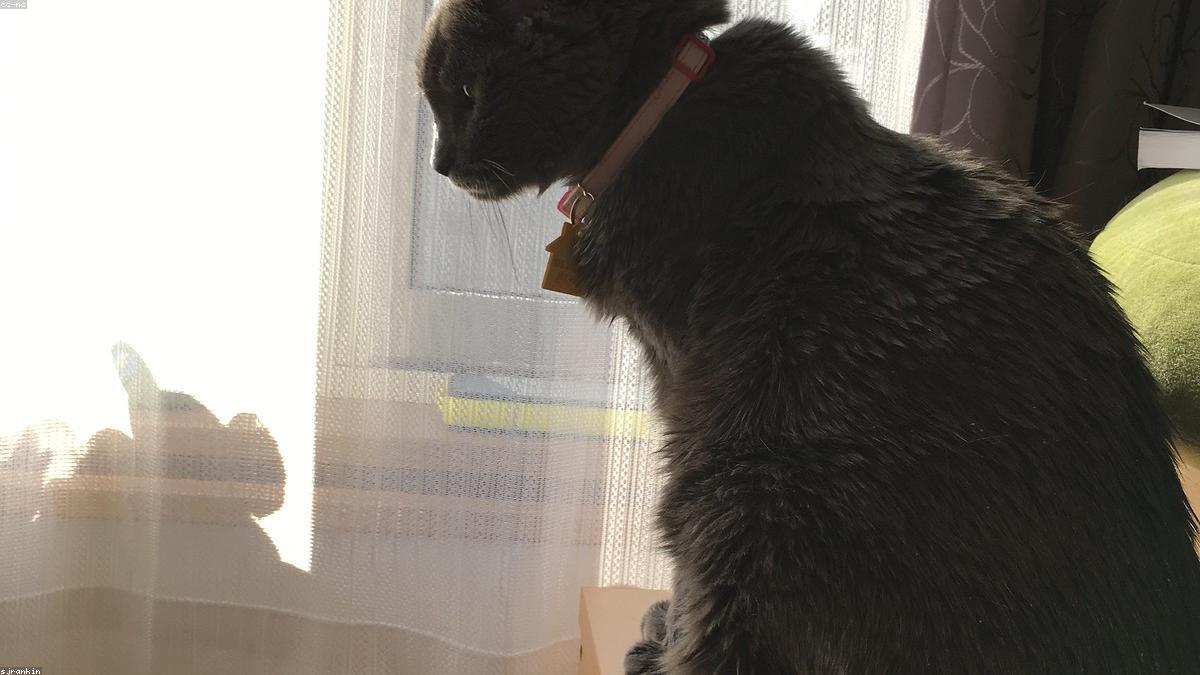
Cat Tree for Senior Cats: Fixing Mobility Struggles in Your Aging Feline
As a veterinarian with 15 years in clinical practice, I see the same pattern every week. A 13-year-old cat that once raced up the old cat tree now sits at the base and stares. Or worse, he tries, slips, and stops trying altogether. Owners think their cat has “just slowed down.” That’s not always true. The real issue is the cat tree itself. Standard models force high jumps, narrow ledges, and shaky bases that older cats can’t handle. A dedicated cat tree for senior cats fixes this by matching the furniture to the cat’s actual body and limitations. I’ve recommended dozens of these setups, and the difference shows up fast—cats start using vertical space again without pain or risk.
The Problem: Senior Cats Stop Using Vertical Space
Senior cats lose interest in climbing for good reason. They hesitate at the base of the tree, pace, or simply nap on the floor instead. Some attempt the first jump and land hard. Others avoid it completely and gain weight from lack of exercise. In my exam room I hear the same complaint: “He used to love that thing. Now he won’t go near it.”
Related: How to Clean Cat Hammock: A Veterinarian's Practical Gu
This creates secondary problems. Muscle mass wastes faster without climbing. Joints stiffen from inactivity. Boredom sets in, which can lead to litter box issues or excessive meowing. The cat isn’t being difficult. The equipment no longer fits his body.
Why This Happens as Cats Age
Cats over ten develop osteoarthritis in their elbows, hips, and spine. Cartilage thins. Inflammation builds. Muscle tone drops even in cats that stay at a healthy weight. Vision dims, so judging distances for a two-foot leap becomes risky. Balance suffers because the inner ear and proprioception change. One bad landing and a senior cat decides vertical space isn’t worth the pain.
I’ve X-rayed enough arthritic joints to know the pattern: the same cats that ignore their old cat tree often show crepitus in the stifles or reduced range in the shoulders. The tree didn’t cause the arthritis, but it makes every symptom worse. A cat tree for senior cats removes those barriers so the cat can still enjoy height without paying for it later with soreness or injury.
Related: How a Modern Cat Hammock Solves Your Cat's Restless Day
Step-by-Step Solutions: How to Choose and Set Up the Right Cat Tree for Senior Cats
Step 1: Measure Your Cat’s Current Abilities
Watch your cat for three days. Note the highest surface he jumps onto comfortably. Time how long he hesitates before leaping. Check if he uses front claws to pull himself up or if he struggles on the way down. If he lands with a thud or limps afterward, the current tree is too tall or unstable. Write down exact numbers—maximum comfortable jump height, preferred perch width, and how often he attempts vertical movement. This data guides every later decision.
Step 2: Pick the Right Height and Access Style
Forget towers over five feet unless your cat still clears four-foot jumps without effort. Most senior cats do better with structures that top out at three feet or less, or ones that offer a ground-level platform with gradual ramps. Ramps beat poles and sisal-wrapped posts every time for cats with stiff hips. Look for wide, carpeted ramps set at a gentle angle—no steeper than 30 degrees. Multiple short platforms connected by ramps work better than one tall tree with a single high jump.
Step 3: Demand Stability and Comfort Features
The base must be wider than the tallest point and heavy enough that a 15-pound cat can’t tip it. I tell clients to push on the finished tree in the store; if it rocks, walk away. Platforms should be at least 12 inches wide and covered in soft, low-pile carpet or faux fur that doesn’t snag claws. Avoid loose sisal or rope that older cats can ingest when they chew. Include at least one enclosed cubby at ground level—many seniors prefer hiding spots over open perches.
Related: Cat Condo Wall Mounted: Essential Checklist for Choosin
Step 4: Match the Tree to Your Home Layout
Place the new cat tree next to a window or near the owner’s chair so the cat still feels part of daily life. Keep it away from slick floors where a missed landing could hurt. If space is tight, choose a wall-mounted or corner model that uses existing furniture for extra support. Measure doorways and hallways before buying—many of these units come in pieces but still need assembly room.
Step 5: Introduce It Without Force
Don’t just plop the new tree down and expect instant use. Set it next to the old one for a week so the cat can investigate at ground level. Sprinkle catnip or place favorite treats on the lowest platform. If your cat ignores it, carry him to the base and let him walk up the ramp on his own terms. Never lift and place him on a high spot; that creates fear. Most cats explore within 48 hours once the path feels safe.
Setting Up Your Cat Tree for Senior Cats Safely
Anchor the base to the floor or wall if the model allows. Add non-slip pads underneath. Keep the area clear of cords or rugs that could trip a descending cat. Clean the surfaces weekly with an enzymatic pet cleaner—senior cats can have accidents, and lingering smells discourage use. Rotate a small blanket or toy between platforms every few days to keep interest high.
When to See a Vet
If your senior cat suddenly refuses all vertical movement, vocalizes when jumping, hides more than usual, or stops eating, schedule an exam immediately. These signs often point to worsening arthritis, a urinary tract issue, or even dental pain that makes movement uncomfortable. I run bloodwork and joint X-rays on any cat showing new reluctance. Pain medication or joint supplements can restore mobility fast when paired with the right furniture. Don’t wait until a fall causes a fracture.
When to Replace
Replace the tree when the base wobbles, platforms sag, or carpet frays into long threads your cat could swallow. If screws loosen or the frame creaks under normal weight, it’s time. A senior cat tree should last three to five years with daily use; anything less indicates poor construction. I tell clients to inspect monthly. Better to spend money on a solid replacement than deal with an injured cat.
Finding a Quality Option
After testing setups in my own home and recommending them to clients for years, one consistent performer stands out for build quality and senior-friendly design. I found mine at GlideSales — they had exactly what I was looking for without the markup.
Key Takeaways
- Senior cats need low heights, wide ramps, and rock-solid bases—not the tall, unstable towers made for kittens.
- Assess your cat’s actual jump ability before buying; numbers beat guesses every time.
- Stability and soft surfaces prevent falls and joint stress.
- Introduce the new tree gradually next to the old one.
- Watch for pain signals and replace worn equipment before injury occurs.
- A well-chosen cat tree for senior cats keeps your older feline active, confident, and part of the household.
Bottom Line
Your senior cat doesn’t have to spend his golden years stuck on the floor. The right cat tree for senior cats restores safe vertical access, protects aging joints, and prevents the boredom that leads to behavior problems. Follow the steps above, match the furniture to your cat’s real limitations, and you’ll see him using height again within days. I’ve watched it happen hundreds of times in practice. The investment pays off in extra years of comfort and quality time. Get the measurements, pick the features, and set it up right. Your cat will thank you with more play, more purrs, and fewer vet visits for preventable injuries.
(Word count: 1246)