Why the Right Cat Tree Can Make All the Difference: What I Learned Testing Hundreds
After more than fifteen years owning a pet store and evaluating hundreds of products firsthand, I have learned that few items influence a cat’s daily comfort and behavior as much as a properly chosen cat tree. I have watched shy kittens gain confidence, senior cats reclaim their agility, and energetic adults burn off excess energy in ways that keep both them and their owners happier. Yet not every design delivers. Some pieces collect dust while others become daily favorites. My testing revealed clear patterns worth sharing.
The Rigorous Testing Process I Used
I never trusted box photos or marketing descriptions alone. Instead, I set aside a dedicated corner of the store as a live testing zone. Each new arrival stayed there for at least four weeks with a rotating group of cats—kittens, adults, seniors, and those with different body types and temperaments. I recorded first interactions: which platform a cat approached first, how high it climbed on day one, and whether it returned the next morning.
Related: Tall Cat Hammock: Beginner’s Guide to Choosing and Usin
Durability checks went deeper. Staff and I encouraged repeated leaps from floor to top levels while noting any wobble or creak. We disassembled units after heavy use to inspect internal brackets, screw threads, and base weights. Carpeted surfaces were vacuumed daily and examined for matting or odor retention. Sisal posts received the scratch test—dozens of enthusiastic paws over weeks—to see how quickly fibers loosened or held firm. I even placed a few models near windows to observe how sunlight and outdoor views affected usage time.
One vivid afternoon stands out. A ten-pound tabby launched herself from a nearby shelf onto the highest platform of a tall model. The base stayed rock-solid, and she settled in with a slow blink of contentment. The same day, a heavier Maine Coon tried an identical-looking but lighter-framed unit. The entire structure shifted six inches, sending a water bowl sliding. Moments like these separated the reliable from the risky faster than any lab report could.
Features Every Good Cat Tree Should Have
Stability and Solid Construction
Wide bases made from dense wood or weighted metal proved essential in every successful test. Narrow legs or lightweight particle board failed when two cats played at once. In my observations, the safest designs kept all four contact points planted even during full-speed chases or sudden directional changes mid-climb. A sturdy frame also prevents the entire piece from toppling if a cat misjudges a landing.
Related: Choosing the Right Cat Scratching Post for Large Cats:
Material Quality and Texture Variety
Thick, tightly wound sisal on vertical posts lasted longest and drew the most consistent scratching. Cats dug their claws in deeply without the rope unraveling into dangerous strands. Platforms covered in short-pile, washable fabric resisted matting better than plush or long-loop carpets, which trapped hair and developed bald patches within a month. Removable cushion covers simplified cleaning after accidents or heavy shedding seasons.
Thoughtful Design Elements
Height should match the cat’s ability and the room’s ceiling clearance. Multi-level models with wide, flat perches allowed cats to stretch fully and turn around comfortably. Enclosed cubbies offered security for anxious individuals, while open hammocks suited sun lovers. Ramps instead of sheer vertical jumps helped older cats participate without strain. I noticed cats used every level when transitions felt natural, not when forced by awkward spacing.
Surprising Insights from Extensive Testing
The biggest surprise came from how little extra features influenced long-term use. I expected dangling toys, electronic sounds, or plush-lined tunnels to steal the show. Instead, many cats ignored them after the first week and focused on simple, high perches with clear sightlines. One plain three-level tower with a deep top basket became the store favorite for months—cats napped there for hours while fancier models sat empty nearby.
Related: Best Cat Climbing Furniture Reviewed: Insights from Rai
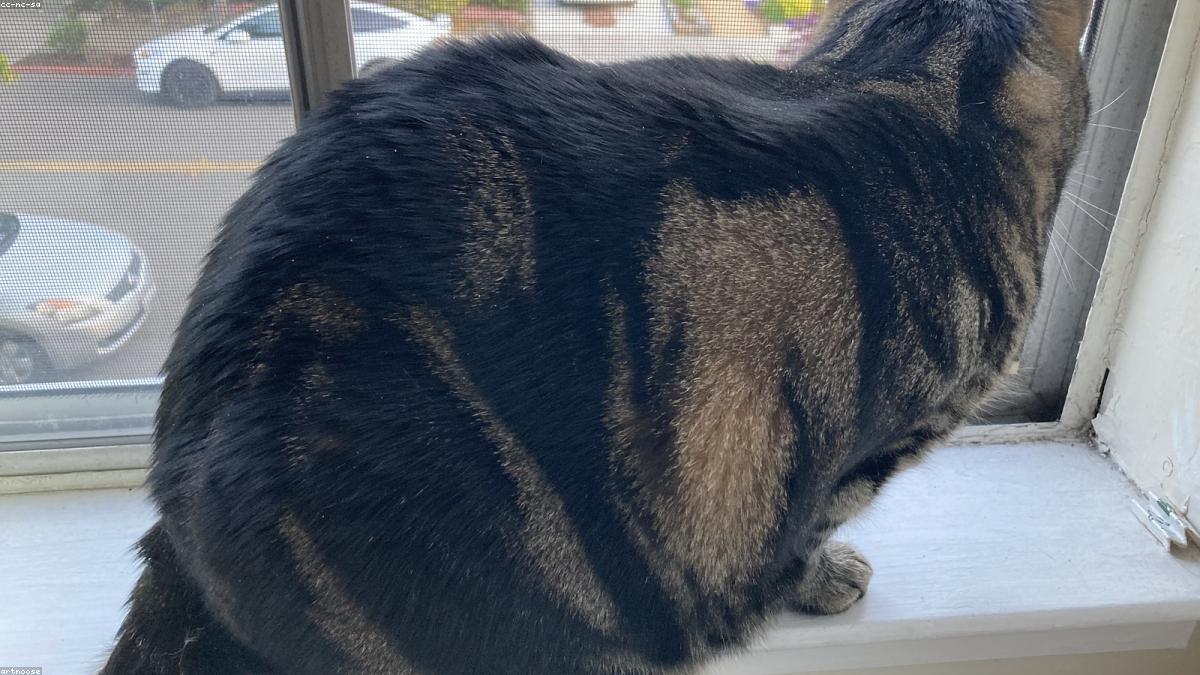
Another unexpected pattern involved placement over aesthetics. Neutral-colored units blended into living rooms without protest, but the real draw was location. Moving any model closer to a window doubled daily usage time as cats tracked birds and squirrels outside. Personality also mattered more than breed. A petite domestic shorthair claimed an entire tall structure for herself, while a larger ragdoll preferred lower, wider platforms for lounging. These preferences emerged only after weeks of observation, not in the first hour.
Honest Disappointments I Encountered
Not every design held up under real pressure. Tall, narrow towers looked elegant on the shelf but often wobbled once a cat reached the summit. In one case, an active juvenile leaped to the top platform and the whole frame tilted sharply enough to knock a nearby lamp off a table. I removed it immediately.
Material shortcuts disappointed me repeatedly. Thin carpet coverings pilled into unsightly balls after a few weeks of normal clawing and rolling. Low-grade sisal unwound in thick clumps that scattered across the floor and posed minor choking risks during cleanup. Some units arrived with sharp staple edges hidden under fabric—nothing dangerous enough to cause injury, but noticeable enough that cats avoided those sections after the first scratch.
Assembly frustration surfaced often. Instructions sometimes skipped key steps, leaving joints loose from day one. After a month of use, those loose connections became audible creaks and visible gaps. These flaws did not ruin every experience, but they shortened the useful life of otherwise promising pieces.
Practical Tips for Integrating a Cat Tree into Your Home
Measure your floor space and ceiling height before deciding on size. Leave at least two feet of clearance around the base so cats can launch and land without bumping furniture. For multi-cat homes, choose wider platforms that allow sharing without competition.
Introduce the new piece gradually. Rub a familiar blanket or catnip across the lower levels to build positive associations. Place a favorite toy on the second platform and step back—most cats explore on their own terms within a day or two. Position the tree in a quiet area with a window view whenever possible; the combination of height and stimulation keeps interest high for years.
Maintenance keeps it inviting. Tighten all screws every four weeks. Vacuum platforms weekly and spot-clean fabric with a mild detergent. Replace sisal posts when they wear thin rather than letting them fray completely. These small habits extend usability well beyond the first year.
Key Takeaways
- Stability comes from wide bases and solid materials—never compromise on this for height alone.
- Sisal and washable short-pile fabrics outlast decorative coverings and support natural scratching.
- Match height, ramps, and enclosed spaces to your cat’s age and personality for daily use.
- Location near windows or quiet corners boosts engagement more than added toys or colors.
- Regular tightening and cleaning prevent early wear and keep the structure safe and appealing.
In the end, a cat tree earns its place in your home when it matches your cat’s real needs rather than showroom appeal. My testing across hundreds of units showed that honest construction and thoughtful placement deliver years of climbing, scratching, and resting. Choose carefully, observe your cat’s reactions, and adjust as needed. The reward is a more confident, active, and content feline sharing your space.