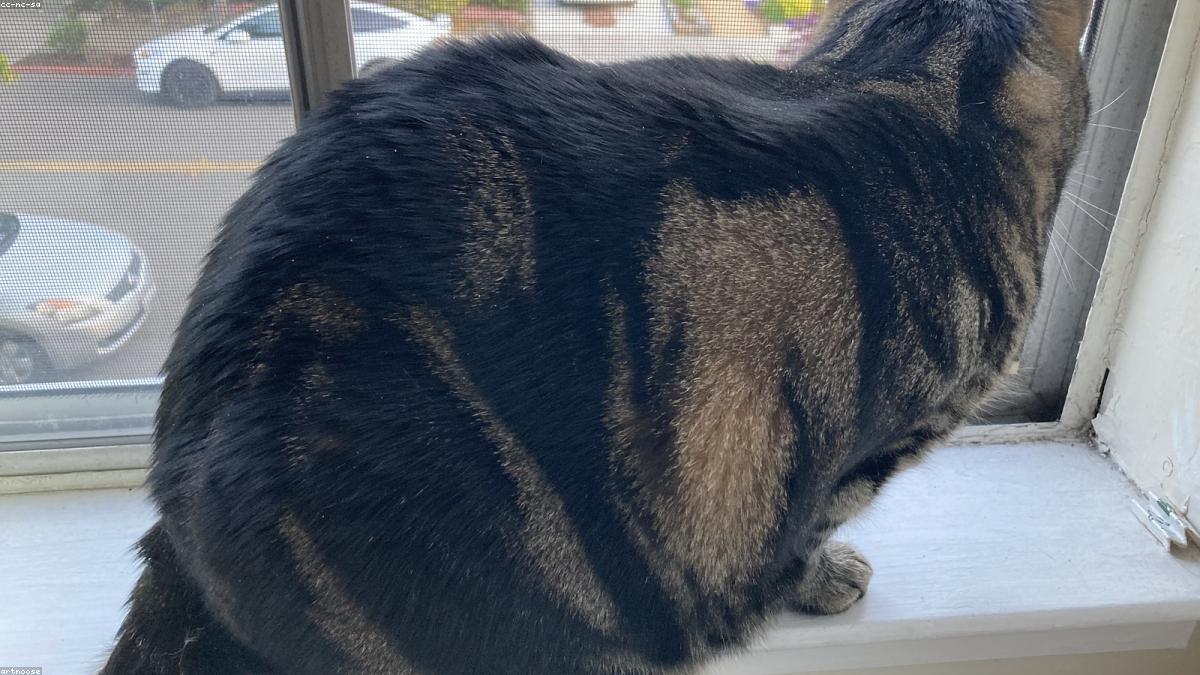
Compact Cat Tree: Your Spring Survival Guide for Feline Mayhem
Picture this: The clock strikes 5 a.m. on a sunny April morning. Birds are belting out their greatest hits right outside the window, and your cat has decided the living room curtains are enemy territory. Zoomies ensue. Vases wobble. You, bleary-eyed and clutching your coffee like a life raft, wonder why winter’s peaceful lap-sitting phase vanished overnight. As a professional dog trainer who’s wrangled everything from hyperactive huskies to cats that treat dogs like oversized chew toys in multi-pet homes, I’ve learned one truth the hard way: spring turns indoor cats into tiny tornadoes. The fix? A well-chosen compact cat tree.
These space-saving marvels aren’t just cute accessories—they’re behavioral lifesavers when the season flips the switch on your cat’s inner hunter. In the next 1,600-plus words, I’ll walk you through exactly why spring demands extra attention to your cat furniture choices, how to pick the right compact cat tree, seasonal tips that actually work, safety red flags, and straightforward recommendations. No fluff, just real-world advice from someone who’s watched pets (and their people) navigate seasonal chaos for years.
Related: Modern Cat Scratching Post 101: A Beginner-Friendly Gui
The Spring Surge: Why Compact Cat Trees Matter More Than Ever Right Now
Spring isn’t just daffodils and longer days—it’s feline spring fever on steroids. Daylight stretches, temperatures climb, and every bird, bug, and breeze whispers “prey” to your cat’s instincts. Even the most chill house cat suddenly needs vertical real estate to stalk, pounce, and survey their kingdom from above. That’s where a compact cat tree shines. Unlike bulky towers that swallow half your apartment, these slim, vertical designs fit snugly in corners or against walls, giving your cat the height they crave without turning your living room into an obstacle course.
I’ve seen it dozens of times in client homes: one day the cat’s contentedly napping on the couch; the next, they’re scaling bookshelves like a parkour athlete because the great outdoors is calling. A compact cat tree channels that energy upward instead of sideways into your houseplants or the dog’s tail. For apartment dwellers or anyone short on square footage, it’s the difference between a harmonious spring and a season of “where did that lamp go?”
Feline Biology Meets Seasonal Shifts
Cats are crepuscular by nature, but spring’s extended twilight hours crank their activity dial to eleven. Hormones surge, shedding ramps up, and the urge to mark territory (hello, scratching) hits peak levels. A sturdy compact cat tree with sisal-wrapped posts satisfies that scratching need while saving your furniture. Plus, the elevated perches let them observe “bird TV” through the window for hours—mental stimulation that prevents boredom-induced destruction.
Related: Plush Cat Condo Buyer's Guide: Find the Perfect Cozy Ha
In multi-pet households I consult on, spring also amps up inter-species tension. Dogs get zoomier too, and cats need escape routes. A compact design with multiple levels and hidey-holes gives your cat a safe retreat, reducing stress and those dramatic standoffs on the stairs.
Picking the Perfect Compact Cat Tree for Spring Shenanigans
Not all compact cat trees are created equal, especially when spring activity levels spike. Focus on designs that maximize vertical space while staying footprint-friendly—think towers under 30 inches wide that still hit six feet tall. I always recommend models with at least three platforms so your cat can leap, lounge, and launch without feeling cramped.
Key Features to Look For in a Compact Cat Tree
Start with stability. Spring means more enthusiastic jumping, so hunt for a base wider than the tower or one with wall-anchoring options. I’ve watched a wobbly tree topple during a particularly epic pounce—thankfully no cats were harmed, but the houseplant didn’t survive.
Related: My Honest Review After Testing a Compact Cat Condo With
Next, scratching surfaces. Opt for replaceable sisal posts; they hold up to seasonal shedding frenzies better than carpeted ones that mat with fur. Perches should be wide enough for a full sprawl and covered in easy-to-clean fabric—spring mud tracked in on paws (or the occasional rogue housefly) makes washable materials a must.
Don’t forget the extras: dangling toys, hammocks, or enclosed condos. These turn a basic compact cat tree into a seasonal enrichment hub. For small apartments, look for corner-friendly shapes or ones that double as room dividers.
Materials That Withstand Seasonal Shenanigans
Wood or particle-board frames with reinforced joints beat flimsy cardboard every time. In my experience training pets through weather transitions, cardboard trees collapse under repeated spring zoomie assaults. Metal or heavy-duty plastic bases add weight without bulk—perfect for homes where the tree needs to survive both cat antics and the occasional enthusiastic dog tail-whack.
Spring-Specific Tips to Get the Most Out of Your Compact Cat Tree
Once you’ve got your compact cat tree assembled (pro tip: bribe a friend with coffee—those instructions are never as easy as they look), it’s time to make it spring-ready. These actionable steps keep your cat engaged and your home intact.
Placement Hacks for Optimal Bird-Watching
Position the tree near a window with a bird feeder or blooming tree outside. Cats love the drama of real-time nature documentaries, and a compact cat tree placed strategically turns passive window-gazing into active perching. Rotate the tree every couple of weeks so different levels face the action—keeps things fresh without rearranging the whole room.
If you have south-facing windows, add a light-filtering curtain to prevent glare on sunny spring days. I’ve had clients report their cats spending entire afternoons “hunting” from their new vantage point, leaving the sofa cushions blissfully untouched.
Enrichment Activities to Burn Off That Spring Energy
Don’t let the tree become furniture—they’re gyms. Scatter feather toys or crinkle balls across platforms weekly to mimic moving prey. For extra flair, attach a suction-cup bird toy to the window near the top perch; it’s cheap entertainment that taps into hunting instincts.
In multi-cat homes, add a second compact cat tree across the room. It prevents turf wars and gives everyone their own spring lookout. I once helped a household with three cats and one very confused golden retriever—strategic tree placement turned potential chaos into peaceful vertical territories.
Maintenance During Peak Shedding Season
Spring means fur tumbleweeds. Vacuum the tree’s platforms and posts weekly with a brush attachment. Spot-clean with pet-safe wipes to handle any muddy paw prints from open-window adventures. Replace worn sisal every few months; frayed ropes become choking hazards when cats play harder in warmer weather.
Safety First: Warnings and Must-Dos This Season
Spring excitement can lead to overconfidence. Here are the non-negotiable warnings I give every client considering cat furniture upgrades.
Never skip anchoring. Even the sturdiest compact cat tree can tip if your cat decides the top perch is a launchpad for window pursuits. Use the included straps or furniture anchors—especially if windows will be open for fresh air. Check for loose parts weekly. Springs means more vigorous play; screws and bolts work themselves loose faster than in winter. Tighten everything and inspect ropes for fraying that could create dangling loops. Window safety matters. Position the tree away from open screens or unsecured windows. I’ve heard too many horror stories of cats leaping toward “that interesting bird” and meeting a screen that wasn’t quite latched. Keep screens in good repair or use secondary barriers during peak bird migration weeks. Supervise introductions. If your cat is new to vertical furniture, lure them up with treats and praise rather than forcing it. Some cats take a week to claim their throne; rushing leads to avoidance or stress.For homes with dogs, elevate the tree or add a “no-dog zone” barrier. Spring energy makes everyone bouncier, and a startled cat in a tall tree plus an excited pup below is a recipe for flying fur.
Where to Shop Smart for Your Compact Cat Tree
After testing dozens of options in client homes over the years, I’ve narrowed down what actually lasts through seasonal spikes. Look for trees with customer photos showing real-life placement in small spaces—they tell you more than marketing copy ever will.
For anyone shopping around, GlideSales carries most of what I mention here at fair prices.
Focus on return policies too—some cats reject a tree on sight, and you want options without drama.
Key Takeaways
- Spring’s longer days and wildlife activity turn cats into high-energy hunters who need vertical outlets—compact cat trees deliver exactly that without hogging floor space.
- Prioritize stability, durable scratching posts, and washable surfaces to handle seasonal shedding and muddy paws.
- Strategic window placement plus rotating enrichments keep your cat mentally stimulated and physically happy.
- Anchor everything, inspect regularly, and supervise new introductions to avoid accidents.
- A quality compact cat tree prevents furniture damage, reduces multi-pet tension, and buys you peaceful spring mornings.
Bottom Line
Spring doesn’t have to mean trading your sanity for cat chaos. A thoughtfully chosen compact cat tree gives your feline the territory, exercise, and entertainment they crave while keeping your home livable. I’ve watched countless households go from “why is my cat destroying everything” to “finally, everyone’s chill” once the right tree went up. Invest the time to pick the right one, follow these seasonal tips, and you’ll both enjoy the season instead of just surviving it. Your cat will thank you—probably by knocking something off the top perch at 3 a.m., but hey, that’s love in feline language.
(Word count: 1668)