The Ultimate Plush Cat Tree Guide: Everything Beginners Need to Know About Cat Furniture
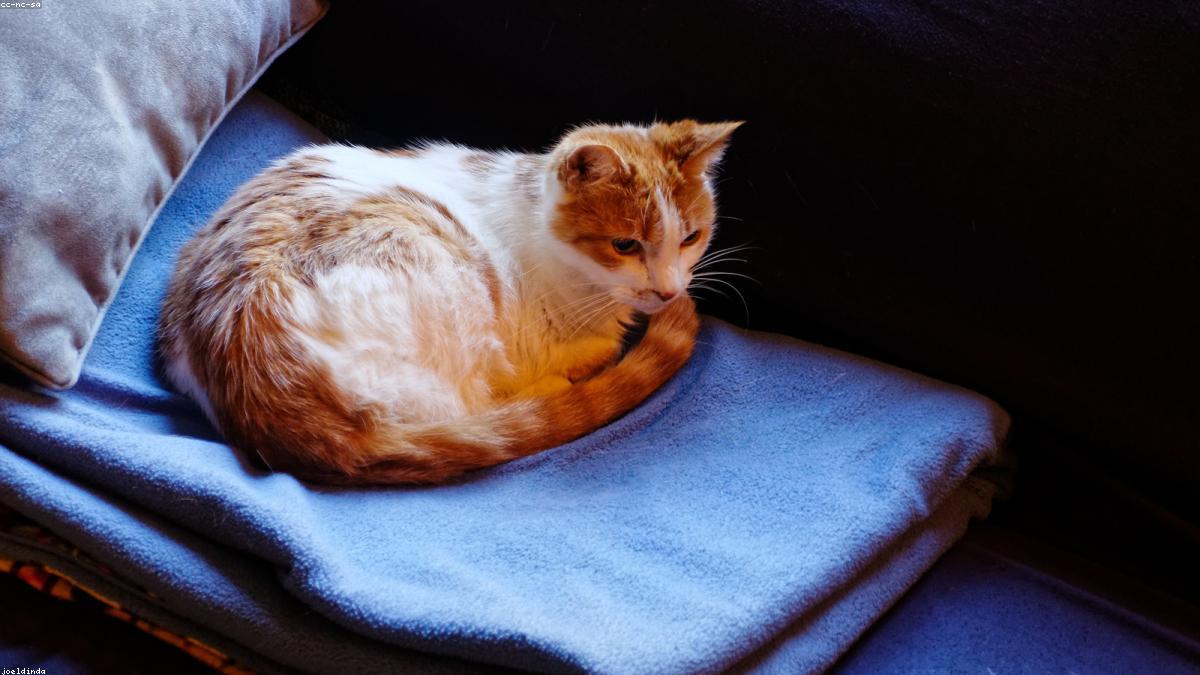
Picture this: your cat leaps from the windowsill, lands with a soft thud on a cozy platform, and immediately starts kneading those plush cushions like fresh dough. Within seconds, she’s curled up in total bliss, purring louder than your fridge. That, my fellow cat lovers, is the magic of a plush cat tree. If you’re new to the world of cat furniture and wondering how to spoil your furry roommate the right way, you’re in the right place. I’ve been reviewing pet products for years, and nothing lights up my day like watching my own crew turn a simple piece of furniture into their personal kingdom.
In this beginner-friendly guide, we’ll cover everything from what a plush cat tree actually is to how to pick one that matches your home and your cat’s personality. No jargon, no fluff—just real talk from someone who’s assembled more of these things than I can count and cleaned up more scattered sisal than I care to admit. By the end, you’ll know exactly what to look for, which mistakes to dodge, and how to make your cat the happiest climber on the block.
Related: Floor to Ceiling Cat Tree Guide: Everything Beginners N
What Exactly Is a Plush Cat Tree?
Let’s start at the beginning because I remember standing in the pet aisle years ago, staring at boxes and wondering what all the pieces even meant. A plush cat tree is basically a multi-level playground designed just for cats. The “plush” part refers to the soft, carpet-like fabric covering most of the surfaces—think thick, velvety material that feels amazing under tiny paws and looks way nicer in your living room than plain wood or cardboard.
Unlike basic scratching posts (those tall, single-pole things wrapped in rope), a plush cat tree usually includes several platforms, perches, enclosed “condos” (those little hideaway boxes), and sometimes even hammocks or tunnels. The frame is typically sturdy particleboard or wood, wrapped in that soft plush fabric on the resting areas and sisal rope on the scratching parts. Sisal, by the way, is a tough natural fiber from the agave plant—cats go wild for it because it mimics tree bark and helps keep their claws healthy.
The whole idea is to give indoor cats the vertical space and scratching outlets they crave. Cats are natural climbers and hunters, but most modern homes don’t have enough tall furniture or real trees. A good plush cat tree becomes their personal jungle gym, nap spot, and stress reliever all in one.
Related: Spring Guide to the Multi-Level Cat Condo: Tips from a
Why Every Cat Parent Should Consider a Plush Cat Tree
I’ll be honest—my first cat, Luna, used to shred my couch like it owed her money. Then I brought home my very first plush cat tree and everything changed. She claimed the top perch immediately and hasn’t looked back. Here’s why these pieces of cat furniture make such a huge difference:
Cats need vertical territory. In the wild, they climb to feel safe and survey their domain. A tall plush cat tree gives them that same security without you having to rearrange your bookshelves. It also burns energy—my three-year-old tabby, Milo, races up and down his like it’s an Olympic event, which means fewer 3 a.m. zoomies across my face.
Scratching is non-negotiable for cats. It stretches their muscles, marks territory with scent glands in their paws, and keeps claws in shape. The sisal-wrapped posts on a plush cat tree direct that instinct away from your furniture. I’ve saved countless sofas thanks to this.
Related: Cat Perch Window Buying Guide: Comparing the Best Optio
It’s also a bonding thing. When I sit nearby with a book, my cats take turns showing off their climbing skills, then flop into my lap for pets. Plus, multiple cats can share one tree without drama if it has enough levels—mine have their own favorite spots and rarely fight over them.
If your cat is older or has mobility issues, look for lower, wider models with gentle ramps instead of high jumps. The plush covering is gentler on aging joints than hard surfaces too.
Different Styles of Plush Cat Trees to Match Every Home and Cat
Not all plush cat trees are created equal, and that’s a good thing. Beginners often get overwhelmed by the variety, so let’s break down the main types you’ll see.
Tower-style plush cat trees are the classics: tall, narrow structures with stacked platforms and a top perch. Great for small spaces or single cats who love height. They usually top out around 4 to 6 feet, which feels like a skyscraper to a cat. Apartment-style or condo plush cat trees have enclosed boxes at different levels. These are perfect for shy cats or multi-cat homes because they offer private napping spots. My skittish rescue, Whiskers, spends hours in the middle condo where no one can sneak up on her. Wall-mounted or modular plush cat trees are newer options that attach to the wall instead of standing on the floor. They save space and look modern, but they require drilling into studs for safety—something I learned the hard way after one tipped during an enthusiastic zoom session. Playground plush cat trees include extra features like dangling toys, ramps, or even a built-in litter box area underneath (yes, really). These are fantastic for high-energy kittens but take up more floor space.Whichever style you choose, make sure it matches your cat’s size and energy level. A tiny kitten might be terrified of a 7-foot tower at first, while a Maine Coon needs something wide enough to fit his fluffy self comfortably.
What to Look For When Shopping for a Plush Cat Tree
This is where most new cat parents make their first mistake—buying based on looks alone. Here’s the exact checklist I use every single time I review a new one.
Stability first. The base should be heavy and wide—wider than the tallest platform. I once bought a cute but wobbly model that rocked every time my cat jumped down. Lesson learned: if it feels tippy in the store, it’ll be a disaster at home. Look for models with a low center of gravity and maybe even wall-anchoring brackets. Material quality matters more than you think. The plush fabric should be thick and tightly woven so it doesn’t pill or shed after a few months. Check the scratching posts: real sisal rope wrapped densely, not thin string that unravels. Platforms need firm but cushy padding—too soft and your cat will sink like quicksand; too hard and they’ll ignore it. Height and weight capacity. Measure your ceiling before you buy! A plush cat tree that’s too tall will force you to place it awkwardly. Most cats are happy with 5-6 feet, but bigger breeds might want more. Check the weight limit—some cheap ones say “for cats up to 15 pounds” which is ridiculous when your average tabby hits that by six months. Easy-to-clean design. Cats shed, drool, and track litter. Removable cushions or machine-washable covers are lifesavers. I keep a lint roller nearby, but having a tree I can vacuum or spot-clean without disassembly is a game-saver. Safety features. No sharp edges, secure screws, and non-toxic materials. Cats chew and scratch everything, so avoid anything with small parts that could become choking hazards.Common Mistakes Beginners Make (And How to Avoid Them)
I’ve made almost every mistake on this list, so listen up.
Buying too small. That adorable mini tree looks cute online but your adult cat will outgrow it in weeks. Measure your cat from nose to tail tip when stretched out—that’s your minimum platform size. Ignoring floor space. A plush cat tree needs room around it for running starts and safe landings. Don’t cram it in a corner where your cat can’t build momentum. Skipping the break-in period. Some cats ignore a new tree at first. Don’t return it! Sprinkle catnip on the platforms, drag a feather toy up the posts, or place treats on each level. My cats usually claim theirs within 48 hours once I do this. Choosing the wrong location. Place it near a window for bird-watching entertainment or in a high-traffic family area so your cat feels part of the action. Avoid drafty spots or areas near loud appliances. Forgetting replacement parts. Posts wear out eventually. Look for trees where you can buy extra sisal wraps or cushions later.Budget-Friendly Recommendations That Actually Last
You don’t need to spend a fortune to get a great plush cat tree. Here’s how I break it down based on real experience with my own crew.
Under $100 range: These are usually smaller tower styles with 3-4 levels. Perfect for apartments or first-time cat parents. They’re lighter and easier to move, but check stability closely. Great starter option for kittens or single cats. $100–$250 sweet spot: This is where I do most of my shopping. You get taller structures, better plush fabric, and wider bases. Many include multiple condos and dangling toys. These hold up for years with daily use from multiple cats. Over $250: These are the luxury models with premium materials, extra features like ramps or leather accents, and sometimes modular pieces you can expand later. Worth it if you have a big cat, multiple cats, or want something that blends into your décor like actual furniture.My personal rule: spend enough to get a stable, well-covered base but don’t go overboard on bells and whistles unless your cat has specific needs. The mid-range options have given me the best value every single time.
How to Assemble Your New Plush Cat Tree Like a Pro
Assembly can feel intimidating if it’s your first time, but it’s actually pretty straightforward. Most come with an Allen wrench and clear instructions (though I always recommend watching a quick video of the same model on your phone).
Lay out every piece first—trust me, it saves tears later. Start with the base and work your way up, tightening bolts as you go. I use a power screwdriver on low speed for the big parts but finish by hand so I don’t strip anything.
Enlist help if the tree is tall; one person holds while the other screws. Once it’s together, give the whole thing a gentle shake. If anything wiggles, tighten it again before your cat claims it.
Pro tip: assemble it in the exact spot you plan to keep it. These things are awkward to move once built.
Keeping Your Plush Cat Tree Looking Fresh
Maintenance is easy if you stay on top of it. Vacuum the plush surfaces weekly with the brush attachment. Spot-clean accidents with a pet-safe enzyme cleaner—cats have incredible noses and will return to the same spot if it still smells.
Rotate the sisal posts or replace the rope when it gets shredded (usually every 6-12 months depending on how enthusiastic your scratcher is). Fluff the cushions and sprinkle baking soda to keep odors at bay.
Every few months I take the whole thing apart outside, hose down the removable parts, and let them air dry. My cats actually seem excited when their tree comes back smelling like fresh air.
Where to Find the Right Plush Cat Tree for Your Cat
Shopping online gives you the widest selection and best prices, but read recent reviews for stability complaints. Local pet stores sometimes let you see them in person, which is helpful for judging size.
When I was shopping for my latest plush cat tree, I ended up ordering from this pet store — decent prices and the shipping was faster than I expected.
Key Takeaways
- A plush cat tree gives your cat vertical space, healthy scratching outlets, and a safe place to call their own.
- Focus on stability, quality materials, and the right size for your cat’s age and breed.
- Avoid tiny trees, wobbly bases, and poor locations.
- Budget mid-range for the best long-term value.
- Take time with assembly and introduce it slowly with treats and toys.
- Regular maintenance keeps it looking and smelling great for years.
Final Thoughts: Your Cat Deserves This
Watching your cat explore a brand-new plush cat tree for the first time is pure joy. That hesitant first climb turns into confident leaps and contented naps faster than you expect. You’re not just buying furniture—you’re giving your cat confidence, exercise, and a space that feels like home.
Whether you’re a first-time cat parent or adding to an existing crew, the right plush cat tree makes every day more fun for everyone. My three cats have claimed every level of theirs, and I wouldn’t trade the daily entertainment for anything.
Go ahead and measure your space, check your cat’s favorite napping spots, and start shopping. Your feline overlord will thank you with extra purrs and fewer destroyed curtains. Happy climbing!
(Word count: 2454)