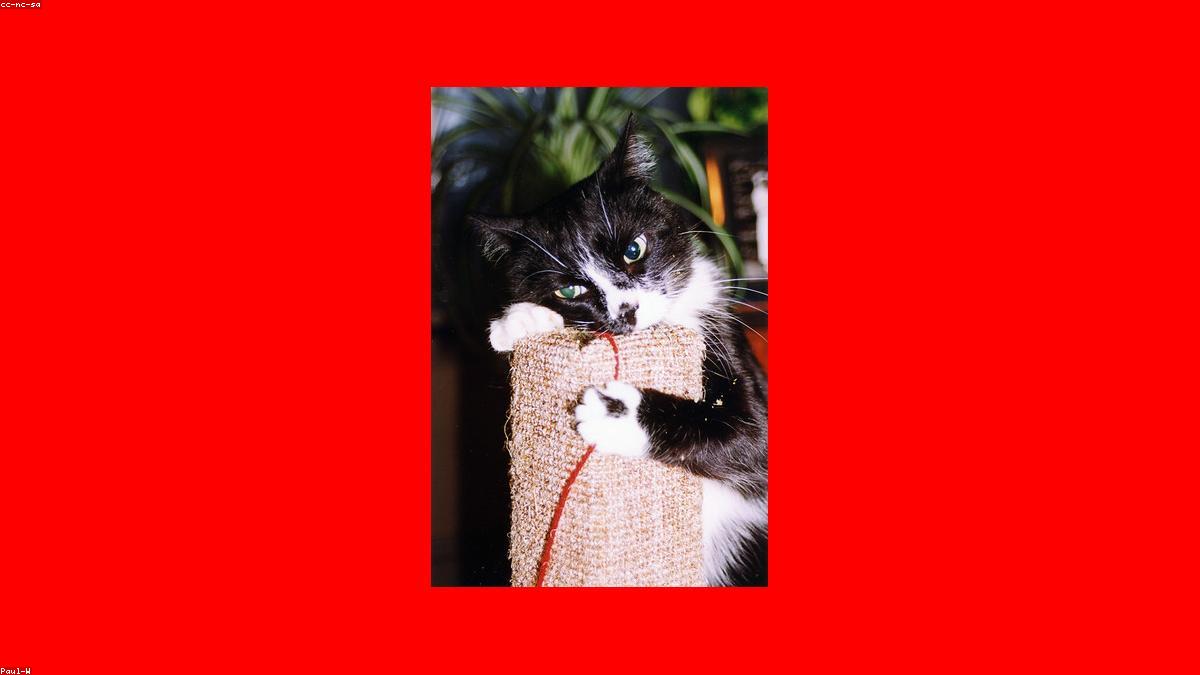
Why Your Cat Ignores the Wooden Cat Scratching Post – And the Step-by-Step Fix That Actually Works
I’ve spent years at an animal shelter watching hundreds of cats turn perfectly nice living rooms into claw-art installations. You bring home what looks like the perfect wooden cat scratching post—sturdy, natural, even a little fancy—and your cat gives it one dismissive sniff before heading straight for the couch arm. It’s frustrating, expensive, and way too common.
The good news? This isn’t because your cat is spiteful (though it sometimes feels that way). It’s because most wooden cat scratching posts fail at one or two key things cats actually need. I’ve fixed this exact problem more times than I can count, and the solution isn’t buying another gadget. It’s understanding why cats scratch in the first place and making that wooden post irresistible.
Related: Large Cat Tree Buyer's Guide: What Shelter Experience T
Let’s break it down so you can stop the sofa shredding for good.
The Real Problem: Your Furniture Is Losing the Battle
Destructive scratching isn’t random bad behavior. It’s your cat doing exactly what evolution wired them to do—only they’re doing it on your stuff instead of the wooden cat scratching post you provided. One day your couch looks showroom-perfect; the next it’s covered in pulls and threads. Sound familiar?
In the shelter, we saw it constantly. A sweet senior cat would arrive with her person at their wit’s end because the living-room sectional was now “vintage fringe.” Kittens fresh off the street would leave every cardboard box untouched but turn baseboards into kindling. The common thread? Owners had tried a scratching post—often a wooden one—but the cat voted with its claws elsewhere.
Related: Cat Perch Window Buying Guide: Comparing the Best Optio
Why Cats Scratch: It’s Not About Being Naughty
Cats scratch for four very practical reasons, and none of them involve revenge.
First, claw maintenance. Their outer claw sheaths get dull and need to be pulled off so sharp new ones can grow underneath. It’s like a built-in manicure.
Second, stretching. A good scratch lets them fully extend their spine and shoulder muscles—think of it as feline yoga after a long nap.
Related: The Ultimate Buyer's Guide to Cat Perch Wall Mounted Fu
Third, territory marking. Scent glands in their paws leave invisible messages that say “this is mine.” The visible scratches add a visual “keep out” sign for other cats (or the family dog).
Fourth, stress relief or pure fun. Bored or anxious cats scratch more, and some just enjoy the satisfying rip of fabric under their paws.
When your cat chooses the couch over the wooden cat scratching post, it’s because the post isn’t meeting at least one of those needs as well as your furniture does. The couch is tall enough for a full stretch, stable enough not to wobble, and located right where your cat already hangs out. Your post? Probably not.
Why Most Wooden Cat Scratching Posts Get the Cold Shoulder
Wood is actually one of the best materials for scratching—natural texture, satisfying drag, no weird synthetic smell. But size, stability, and placement make or break it.
Most store-bought wooden posts are too short. Your average adult cat needs to stretch up at least as high as their full standing height on hind legs plus extended paws—usually 32 to 40 inches minimum. Anything shorter feels like trying to do pull-ups on a step stool.
Stability is the other killer. A wobbly post is useless. Cats want something that feels like a tree trunk, not a drunk sailor. If it tips even an inch when they lean in, they’ll bail and find something bolted to the floor—like your dining table leg.
Texture matters too. Smooth, varnished wood feels like plastic to a cat. They want rough bark or unfinished grain that gives their claws something to sink into and pull against.
Location seals the deal. If the post is tucked in a corner by the litter box, it might as well be invisible. Cats scratch where they live, sleep, and play—not in the “designated cat zone” you picked.
Step-by-Step: How to Make Your Cat Fall in Love with the Wooden Cat Scratching Post
Step 1: Spy on Your Cat Like a Detective
Spend three days taking notes. Where do they scratch most? Vertical surfaces or horizontal? Soft fabric, carpet, or wood trim? How high do they reach? Morning or evening?
I once helped a family whose cat only scratched the back of a recliner at 7 a.m. We measured: exactly 38 inches up. Their wooden post was 24 inches. Mystery solved.
Step 2: Get the Specs Right
Your wooden cat scratching post needs to hit these marks:
- Height: Minimum your cat’s standing stretch height. Add a couple inches for good measure.
- Base: Wide and heavy—at least as wide as the post is tall. I’ve seen cats topple narrow posts and never go back.
- Material: Unfinished or bark-covered wood. If it’s already smooth, rough it up lightly with a wire brush (outside, wear gloves).
- Extras: A top platform turns it into a lookout post. Cats love multi-purpose furniture.
If your current post is close but not quite, you can reinforce the base with a larger piece of plywood screwed underneath. No fancy tools needed—just make it rock-solid.
Step 3: Place It Like Real Estate Matters (Because It Does)
Put the post right next to the problem area—within three feet of the couch corner they love. Don’t move the damaged piece; add the post beside it. Cats are creatures of habit.
Also add a second post in their favorite nap zone. The shelter rule of thumb was one post per cat plus one extra. It prevents turf wars and gives options.
Face it toward the room, not the wall. Cats want to survey their kingdom while they stretch.
Step 4: Throw a Scratching Party
Make the introduction fun, not forced.
- Rub the post with a cloth that smells like your cat (wipe their cheeks with it first).
- Sprinkle a little catnip or silvervine on the base.
- Dangle a feather toy right beside it and “accidentally” drag it across the wood so their claws catch.
- Reward any interest with treats or praise—never drag their paws onto it. That just creates resentment.
Do short sessions twice a day for a week. Most cats catch on fast once the post checks all their boxes.
Step 5: Add Variety Without Overcomplicating
Some cats like a horizontal wooden scratching pad on the floor near their favorite window. Others want a tall vertical one by the scratching couch. Rotate locations every couple weeks if interest fades. The goal is to make the wooden cat scratching post the most convenient and satisfying option in the house.
When to Replace Your Wooden Cat Scratching Post
Wood wears out—that’s the point. Replace it when:
- The surface is polished smooth and offers zero resistance.
- Deep grooves have turned into sharp splinters that could injure paws.
- Your cat walks past it like it owes them money, even after following all the steps above.
A well-used post usually lasts 1–3 years depending on how many cats you have and how enthusiastically they go at it. Don’t wait until it’s dangerous; a fresh one keeps the habit strong.
When to See a Vet for Scratching Issues
Most scratching is normal behavior, but sometimes it’s a red flag. Head to the vet if you notice:
- Sudden increase in scratching accompanied by skin redness, bald patches, or excessive licking.
- Limping or favoring one paw after a scratching session.
- Behavioral changes like hiding, aggression, or litter-box avoidance alongside the furniture damage.
- Overgrooming that leaves bald spots even when the cat isn’t scratching anything.
Medical issues like arthritis, allergies, or stress from pain can show up as compulsive scratching. Better safe than sorry—especially with older cats.
Key Takeaways
- Cats scratch for maintenance, stretching, marking, and fun—not to annoy you.
- A wooden cat scratching post only works if it’s tall enough, stable enough, and placed where your cat already wants to scratch.
- Observation beats guessing every time.
- Patience and positive reinforcement beat punishment by a mile.
- One well-chosen post can save years of furniture frustration.
Bottom Line
Your cat isn’t broken, and neither is your wooden cat scratching post—it just needs a few smart tweaks to match what your cat actually wants. I’ve watched skeptical shelter cats go from couch terrorists to loyal post users once we nailed height, stability, and location.
Give it a solid week of the steps above and you’ll probably catch your cat stretching happily on that wooden post instead of your curtains. And when you do, give yourself a pat on the back. You just spoke fluent cat.
Your furniture (and your sanity) will thank you.