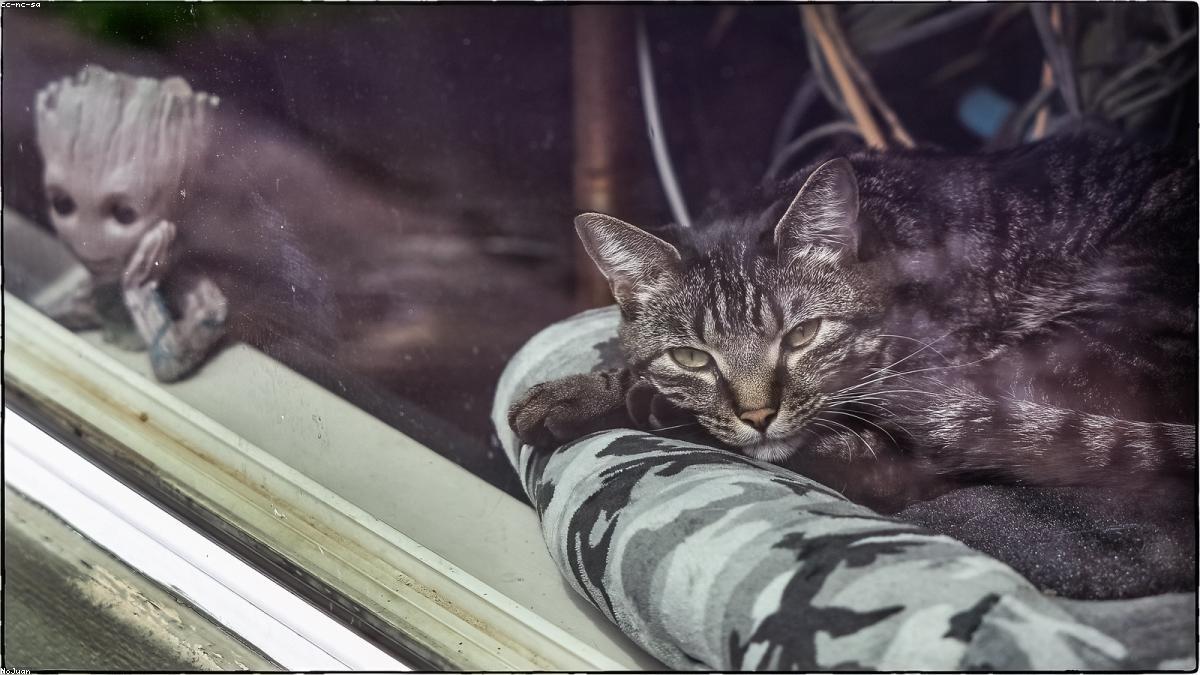
How to Choose an Affordable Cat Shelf: A Beginner’s Guide to Cat Furniture
Your cat spends half the day staring at the top of the fridge or the highest bookshelf, right? That’s not random. Cats are natural climbers who feel safer and calmer when they can survey their territory from above. An affordable cat shelf gives them exactly that without turning your living room into a jungle gym or draining your wallet.
This guide walks you through everything if you’ve never bought cat furniture before. You’ll learn what an affordable cat shelf actually is, why it matters for your cat’s daily life, what to look for, and how to avoid the mistakes that leave both you and your cat frustrated. No fluff, just straight facts from years of helping cat owners build practical, healthy setups at home.
Related: How to Clean Cat Shelf: Buyer's Guide to Practical Opti
What Exactly Is an Affordable Cat Shelf?
A cat shelf is a flat platform mounted on a wall or placed in a corner that lets your cat jump up, stretch out, and nap at height. The “affordable” part simply means it delivers the function without unnecessary extras that drive the price up. Think basic but sturdy construction using wood, particleboard, or heavy-duty cardboard instead of hand-carved mahogany or built-in LED lights.
Related options you’ll hear about include wall-mounted cat perches, floating cat shelves, corner cat shelves, and window cat shelves. They all do the same job: create vertical space. In small apartments or houses with limited floor room, these are often the only realistic way to give your cat the elevation they crave.
Why Vertical Space Matters for Every Cat
Cats in the wild spend most of their time off the ground. Domestic cats still carry that instinct. Without high spots, they get stressed, bored, or start using your curtains and counters as substitutes. A good affordable cat shelf reduces unwanted climbing, lowers territorial disputes in multi-cat homes, and gives shy cats a safe retreat.
Related: Modern Cat Tower: Your Complete FAQ for Feline Happines
It also encourages natural movement. More jumping and stretching means better muscle tone and joint health, which supports digestion and weight control—key factors I see daily as a pet nutrition consultant. A cat that uses its body fully tends to eat more consistently and stay at a healthy weight without extra effort from you.
Different Types of Affordable Cat Shelves
Wall-mounted shelves are the most common. They bolt directly into studs and sit flush against the wall. These work in any room and take up zero floor space.
Corner shelves fit right into the angle where two walls meet. They’re great for tight layouts and often feel more stable because they have support on two sides.
Related: How Tall Should Cat Tower Be? Your Complete FAQ Guide f
Window perches attach to the glass or frame with suction cups or screws. These give your cat a view of the outdoors without blocking your own view.
Freestanding towers with built-in shelves exist, but true affordable cat shelf versions stay simple—one or two levels max. Skip anything marketed as a “cat tree” if you specifically want a shelf; those are bulkier and usually cost more.
Choose the type based on your wall space and your cat’s jumping ability. Kittens and young adults handle higher placements. Older cats or those with arthritis do better with lower, wider shelves that require less effort to reach.
What to Look for When Buying an Affordable Cat Shelf
Start with weight capacity. A decent shelf should hold at least 20-30 pounds even if your cat weighs less. Cats jump hard and land heavier than they look. Check the description for “static weight limit” and assume real-world use cuts that number in half for safety.
Material matters more than you think. Solid wood or thick plywood holds up best and doesn’t flex or creak. Particleboard or MDF works fine if it’s at least ¾ inch thick and has a moisture-resistant coating—cats will drool, spill water, or track litter on it. Avoid thin cardboard unless it’s reinforced with a wood frame; it sags fast under repeated use.
Size should match your cat. Measure your cat from nose to tail base when stretched out, then add 6-8 inches. Most adult cats need at least 12 by 24 inches of surface. Narrower shelves get used for quick jumps but not for long naps.
Mounting hardware separates a shelf that lasts years from one that crashes down in months. Look for heavy-duty brackets, included screws long enough to hit wall studs, and clear instructions. Drywall anchors alone are not enough for anything bigger than a tiny perch.
Surface texture affects daily use. Carpet, sisal rope, or a low-pile rug on top gives traction for claws. Smooth wood or plastic gets slippery when your cat’s in a hurry.
Safety edges count. Rounded corners and a small lip (½ inch or so) around the edge prevent slips and falls. Sharp corners or completely open sides are common on cheap imports and cause injuries.
Setting a Realistic Budget for Your First Affordable Cat Shelf
Focus on value, not the absolute cheapest price tag. The lowest-cost options usually fail within weeks because the brackets bend or the platform warps. Plan to spend enough for proper materials and hardware. That typically lands in the range where you get solid construction without paying for decorative finishes or multiple levels you don’t need.
If you’re furnishing one room, one well-made shelf is plenty to start. Multi-cat households or larger spaces benefit from two or three placed at different heights to create a highway effect. Buying two basic units often costs less than one fancy multi-level piece and gives your cats more usable space.
Watch for sales around holidays or back-to-school time when home improvement stores discount shelving materials. The shelf itself doesn’t need to be labeled “cat furniture” to work perfectly—many people repurpose sturdy floating shelves meant for books or plants.
Common Mistakes Beginners Make with Affordable Cat Shelves
The biggest error is buying too small. A shelf that looks cute online often turns out too narrow once your cat tries to turn around on it. Measure first, order second.
Another frequent mistake is ignoring wall structure. Hanging a shelf between studs with only drywall anchors guarantees it will pull out eventually. Always locate studs with a stud finder before you drill.
Placing the shelf too high or too low for your specific cat is another classic. Watch your cat jump for a week. Note the height they naturally aim for on furniture or windowsills, then match that.
Skipping the test run causes problems too. Before permanent installation, hold the shelf against the wall at the planned height and see if your cat shows interest. If they ignore it completely, adjust the location or add a ramp or lower step first.
Finally, many owners forget to secure the shelf after the first few weeks. Cats test boundaries. Check screws every month for the first three months.
How to Install an Affordable Cat Shelf Step by Step
- Gather tools: stud finder, level, pencil, drill, screwdriver, and the exact screws or anchors listed in the instructions.
- Find two wall studs at the desired height. Mark their centers clearly.
- Hold the shelf brackets up and mark the screw holes. Use a level to make sure the platform will sit straight.
- Drill pilot holes slightly smaller than the screws. This prevents splitting the wood.
- Attach the brackets to the wall first, then slide or screw the platform on top.
- Test with gentle pressure before letting your cat near it.
- Add a non-slip mat or carpet if the surface feels slick.
Installation takes 15-30 minutes once you have the tools. If you’re renting and can’t drill, look for tension-rod or suction styles, though these are less stable for larger cats.
Simple DIY Ideas to Stretch Your Budget Further
If store options still feel out of reach, build your own. A single pine board cut to size, sanded, and attached with basic L-brackets from any hardware store works as well as many manufactured units. Sand edges smooth, seal with pet-safe varnish, and add carpet remnants for grip.
Old wooden crates or repurposed bookshelves can be cut down and mounted. Just make sure the final platform is level and can support your cat’s weight plus a safety margin.
Matching the Shelf to Your Cat’s Age and Personality
Kittens need low shelves with easy access so they build confidence without falling. Seniors or cats with mobility issues do best with wide platforms placed at chair height and a ramp or stacked lower steps leading up.
Outgoing cats love high, open shelves near windows. Nervous cats prefer enclosed corner units with high backs for security. In multi-cat homes, provide at least one shelf per cat plus one extra so no one gets chased off their spot.
Keeping Your Affordable Cat Shelf Clean and Safe
Wipe the surface weekly with a damp cloth and mild soap. Vacuum carpeted versions to remove hair and litter dust. Check brackets and screws every few months—tighten anything loose immediately.
Replace the shelf if you notice warping, cracking, or loose fibers your cat could swallow. A shelf that lasts two to three years of daily use is a solid return on your investment.
Key Takeaways
- An affordable cat shelf creates essential vertical space without expensive cat trees or room makeovers.
- Focus on weight capacity, sturdy materials, proper mounting, and the right size for your cat—those four factors matter more than style.
- Install correctly into wall studs and test before full use to avoid accidents.
- One well-chosen shelf beats a pile of cheap ones that break or go unused.
- Match height and style to your cat’s age, personality, and jumping ability for daily use instead of decoration.
Bottom Line
A good affordable cat shelf is one of the simplest upgrades you can make for your cat’s happiness and your own peace of mind. It stops counter-surfing, reduces stress, and gives your cat a place that feels like theirs. Take measurements, check your walls, pick a size that fits your cat, and install it right the first time. Your cat will thank you by actually using it instead of your curtains. Once you see how much they love that high spot, you’ll wonder why you waited so long.