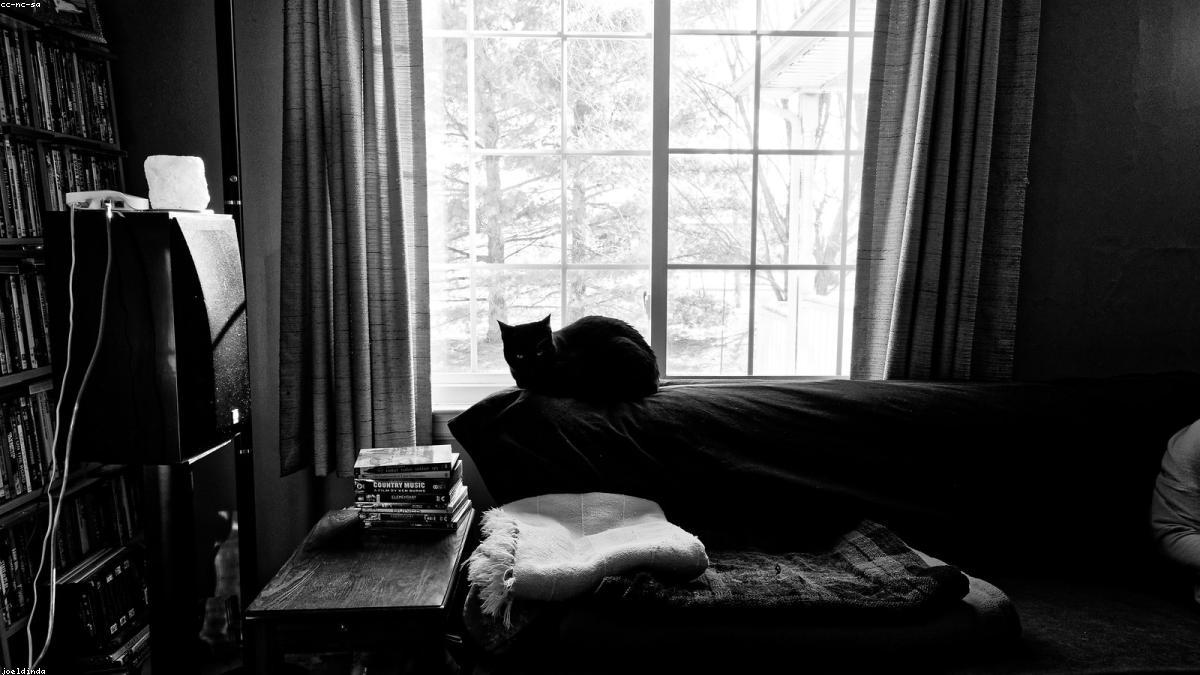
How Tall Should a Cat Shelf Be? A Guide to Safe Heights and Better Behavior
Your cat circles the living room like a caged tiger, ignoring the expensive new shelf you mounted on the wall. Or worse, she makes a clumsy leap, lands awkwardly, and now refuses anything above floor level. Sound familiar? For many cat owners, installing shelves feels like a straightforward way to give their pets vertical space—until the height is wrong and the whole setup backfires. The question “how tall should cat shelf” setups reach isn’t trivial. Get it wrong and your cat stays stressed, bored, or at risk of injury. Get it right and you solve scratching on furniture, nighttime zoomies, and even minor joint strain in one go.
I’ve worked with hundreds of pet households over the years, helping owners translate feline instincts into practical home setups. Height is the single most common reason shelves collect dust instead of cats. In this article we’ll break down the exact problem most people run into, why it happens, and a clear step-by-step process to choose the right mounting height for your specific cat. No guesswork. Just measurable, repeatable steps that turn unused cat furniture into a daily enrichment tool.
Related: Choosing a Sturdy Cat Tower: A Vet’s Guide for New Cat
The Common Problem Cat Owners Face with Shelf Heights
The typical scenario plays out like this. You buy or build a shelf, pick a height that “looks good,” screw it into the wall, and wait for your cat to claim her new throne. Days pass. She sniffs it once, maybe walks across it if you lure her with treats, then never returns. Or she tries to jump and either overshoots, undershoots, or slips on landing. The result? Your cat reverts to counter-surfing, clawing the couch, or hiding under the bed—behaviors you were trying to prevent.
This isn’t stubbornness. It’s physics and feline anatomy colliding with a bad measurement. Cats are built to leap in controlled, calculated bursts. When a shelf sits too high for their current ability or too low to feel secure, they read it as unsafe territory. The problem compounds quickly: unused vertical space means less exercise, more pent-up energy, and often redirected frustration on your belongings. In multi-cat homes the issue multiplies—dominant cats claim the few usable high spots while others stay ground-bound and anxious.
I see this pattern constantly. A young athletic cat might ignore a shelf mounted at four feet because it offers no challenge or vantage point. An older cat might attempt a six-foot leap, tweak a shoulder, and then avoid all jumping for weeks. The shelf itself becomes a reminder of failure instead of a solution.
Related: Compact Cat Scratching Post: Comparing Styles That Actu
Why Shelf Height Matters for Your Cat’s Well-Being
Cats evolved as arboreal hunters. In the wild they use trees and rocks to survey territory, escape threats, and rest above the fray. Domestic life strips away most of that vertical real estate, leaving them to pace tabletops and windowsills that were never designed for claws. Proper shelf height restores that natural outlet.
Height directly influences confidence. A shelf placed at the right level lets a cat land with all four paws planted and balanced. Too high and the jump requires maximum effort with no margin for error—especially on the way down when impact forces hit soft joints. Too low and the perch feels exposed rather than elevated. Either extreme triggers avoidance.
Spacing between shelves matters just as much as the top height. Most adult cats handle 12 to 18 inches of vertical gap comfortably. That distance matches their natural hind-leg push and keeps the climb feeling like a series of easy steps instead of risky leaps. Horizontal spacing of 12 to 16 inches allows them to cross from one platform to the next without stretching awkwardly. When these measurements line up with your cat’s body, the entire wall becomes a highway instead of isolated islands.
Related: Sturdy Cat Hammock: Your Essential Summer Guide to Feli
The payoff shows up fast. Cats with well-placed shelves display fewer destructive behaviors, sleep better at night, and maintain healthier weight through voluntary climbing. Joint health improves because movement stays low-impact and frequent. Even shy cats gain boldness when they control their own elevation.
Step-by-Step: Determining How Tall Should a Cat Shelf Be
Forget the one-size-fits-all charts you see online. The correct height depends on your individual cat, your room, and the shelf’s purpose. Follow these six steps in order and you’ll land on a measurement that actually works.
Step 1: Assess Your Cat’s Individual Needs
Start by watching, not guessing. Spend two or three days noting every natural jump your cat makes. Use a tape measure or phone app to record heights: kitchen counter, back of the couch, top of the fridge, windowsill. Write down the numbers. Most healthy adult cats clear 4 to 5 feet from a standing start without strain. Kittens and seniors top out closer to 2 to 3 feet.
Factor in age, weight, and build. A lean 8-pound Bengal can handle higher placements than a 15-pound British Shorthair. Arthritis or recent injury means you drop the target height by at least a foot and add ramps or intermediate steps. Breed also plays a role—Maine Coons and Savannahs often prefer taller perches, while stockier breeds feel safer closer to the ground.
Step 2: Understand Average Cat Jumping Capabilities
A typical domestic cat can jump five to six times its shoulder height in ideal conditions. Shoulder height usually runs 9 to 12 inches, which translates to a practical maximum of about 5 to 6 feet for most adults. That’s the ceiling for a single leap from the floor. Beyond 7 feet the risk of misjudged landings rises sharply, especially on the descent when momentum adds force.
These numbers are maximums, not daily recommendations. Daily use should stay well within 70–80 percent of that limit so your cat can jump repeatedly without fatigue. For a multi-shelf climbing wall, total height can reach 7 or 8 feet safely as long as each individual gap stays 12–18 inches vertically.
Step 3: Decide the Purpose of the Shelf
Single high perch for bird-watching? Aim for 4.5 to 6 feet off the floor—high enough for a commanding view but reachable in one confident leap or via a short ladder of lower shelves. Part of a full wall highway? Plan a progression that starts low (18–24 inches) and steps upward in 12–18 inch increments until you reach your target top height.
Observation shelf near a window often works best at 3 to 4 feet so your cat can hop up, turn around, and settle without banging her head on the frame above. Resting ledge above the couch? 5 to 6 feet gives separation from people while remaining accessible.
Step 4: Measure Your Space and Plan Layout
Grab a stud finder and measure the wall. Shelves must hit solid studs—never drywall alone. Note ceiling height, light fixtures, and furniture below that could serve as soft landing zones. Leave at least 18 inches of clear air above the highest shelf so your cat can stretch and turn without scraping whiskers.
Sketch the layout on paper or use painter’s tape on the wall to mock up positions. For climbing walls, stagger shelves diagonally like stairs rather than stacking straight up. This gives cats a choice of routes and prevents one cat from blocking another.
Step 5: Test with Temporary Setups
Before drilling permanent holes, use sturdy boxes, stacked books, or inexpensive step stools to create a prototype at your proposed height. Lure your cat with treats or a feather toy. Film a few sessions. If she hesitates, lands hard, or refuses after three tries, lower the target by 6 inches and test again. When she moves fluidly up and down, you’ve found the sweet spot.
Step 6: Install Securely at the Chosen Height
Use brackets rated for at least three times your cat’s weight. Pre-drill into studs. Add non-slip carpet or sisal to the shelf surface—smooth wood becomes a skating rink at speed. Test the finished installation yourself by pushing firmly from several angles. It should feel rock-solid.
Common Mistakes and How to Avoid Them
The biggest error is treating height as decoration instead of function. Owners mount a single shelf at eye level for humans and wonder why the cat never uses it. Another frequent slip: ignoring descent. Cats land with front paws first; make sure the shelf below offers enough depth (minimum 10 inches) for a stable four-paw touchdown.
Depth matters too. Narrow 6-inch shelves work for quick transit but not lounging. Aim for 10–12 inches so your cat can stretch out fully. Skipping intermediate steps forces one giant leap that older cats simply won’t attempt.
When to See a Vet – Signs of Trouble from Improper Heights
If your cat suddenly limps after using a shelf, favors one leg, or stops jumping entirely, stop and schedule a check-up. Swelling around shoulders or elbows, reluctance to land on all fours, or vocalizing on impact can signal strained ligaments or bruised pads. These issues often trace back to repeated awkward leaps from an ill-matched height. Early veterinary attention prevents chronic arthritis later.
Even without obvious injury, a cat who used to love heights but now avoids them after a recent shelf installation deserves a quick exam. Joint stress can be subtle until it becomes constant.
When to Replace Your Cat Shelf
Replace immediately if brackets loosen, wood cracks, or carpet wears through to slippery backing. High-mounted shelves (above 5 feet) need extra scrutiny—any wobble at that elevation multiplies fall risk. If your cat outgrows the setup (kitten becomes adult) or develops mobility changes (senior years), rebuild the entire system rather than forcing the old height. A shelf that once worked perfectly at 5 feet may need to drop to 3 feet when arthritis appears.
Key Takeaways
- Measure your cat’s actual jumps before choosing any height—don’t rely on averages.
- Keep vertical gaps between shelves at 12–18 inches for safe, repeatable climbing.
- Single perches work best between 4 and 6 feet for most adult cats; adjust down for kittens and seniors.
- Always test with temporary props before permanent installation.
- Secure mounting and non-slip surfaces matter as much as the height number itself.
- Watch for limping or sudden avoidance—these are red flags that height or spacing needs immediate correction.
Conclusion
Figuring out how tall should cat shelf installations reach doesn’t require guesswork or expensive trial and error. By observing your cat, matching height to her real abilities, and testing before drilling, you create a vertical playground she will actually use every day. The result is a calmer, more confident cat and a home with far less damage. Vertical space done right isn’t just furniture—it’s the difference between a bored floor-dweller and a thriving indoor athlete. Take the time to get the height correct once, and your cat will thank you with years of happy leaps and peaceful high-altitude naps.
(Word count: 1,852)